Google Pixel 11 Series & Pixel Watch 5: Google’s Biggest Bet Yet Is AI That Actually Helps

The Pixel 11 family, comprising the Pixel 11, Pixel 11 Pro, Pixel 11 Pro XL, and Pixel 11 Pro Fold puts Google’s new Tensor G6 platform front and center. But Google’s main pitch as usual, it’s not just hardware focus, unlike majority of other Android manufacturers. The real story with Google Pixel is what that processing power actually enables: deeper Gemini integration, faster on-device AI processing, and a suite of camera features designed to make computational photography feel less like software trickery happening behind the scenes and more like a dedicated camera assistant. From my perspective, this is where Pixel continues to set itself apart. It’s what #TeamPixel has been talking about all along : the distinct Pixel experience.
Let’s dive into each of the newly released Google Pixel devices. We’ll start with the one I think is the one majority of us should go for.
Pixel 11: Smarter, not just faster

If you were to ask me which phone in this lineup makes the most financial and practical sense for 80% of everyday users, it’s the standard Pixel 11.
Google didn’t strip away the essentials just to make this base model feel “cheaper.” Under the hood, you get the exact same Tensor G6 chip as the top-tier Pro models, paired with a generous baseline upgrade to 12GB of RAM and 256GB of storage. That baseline boost is crucial because it gives the local Gemini Nano engine enough headroom to process AI tasks on-device smoothly without relying heavily on cloud servers.
On the outside, Google refined the design with slimmer bezels and a redesigned, flush camera bar that flows right into the aluminum frame. The 6.3-inch Actua display now peaks at an impressive 3,000 nits, making outdoors viewing under harsh sunlight a breeze. You also get Qi2 magnetic wireless charging (Pixelsnap) built directly into the back glass, which is a massive quality-of-life win for magnetic car mounts and desktop chargers.
Where the base Pixel 11 really punches above its weight is in the camera department. The upgraded main sensor lets in significantly more light, while Instant Night Sight powered by the new processor’s TPU captures low-light shots nearly 4.5 times faster. For social media lovers and everyday content creators, features like Camera Looks, Magic Capture, and the integrated Creator Suite provide more than enough creative control to shoot, color-grade, and crop videos effortlessly for Instagram, TikTok, and YouTube right out of the camera roll.
It strikes a sweet balance: flagship-level AI capabilities, fantastic camera output, and modern hardware refinements without forcing you to pay a steep “Pro” premium.
The Pro models push things even further with extra capabilities tailored for power users and content creators. Let’s dive into those.
Pixel 11 Pro: The serious creator’s Pixel

The Pixel 11 Pro and it’s larger twins, the Pixel 11 Pro XL are clearly built for power users, creators or anyone who wants top-tier computational photography without sacrificing flagship hardware.
Pixel 11 Pro series boasts a brighter display peaking at up to 3,600 nits, upgraded camera sensors, and Google’s latest software-driven photography tools, including Instant Night Sight, Pro Stable Video, and up to 120x zoom. What really stands out to me, though, is the overall direction Google is taking with AI. We’ve reached a point where simply slapping an “AI” label on a phone doesn’t impress anyone anymore; every flagship has it. The real test is whether that AI can seamlessly integrate into, or almost disappear inside your everyday workflow.
Take mobile photography, for example. Instead of forcing you to jump into a separate editing app, locate specific tools, and adjust sliders manually, Google’s approach lets the Pixel do the heavy lifting automatically. That’s the core Pixel philosophy in 2026: less “look at what AI can do” and more “look at how little effort you had to put in.”
Google wants creators to know they have a machine capable not just of capturing photos and videos, but of editing and finalizing them on the fly. They aren’t trying to sell us on carrying a dedicated camera; they’re building a device that understands what we’re trying to create in the first place.
And while the Pro targets creators, Google hasn’t forgotten about those who prioritize mobile productivity and getting real work done. Enter the next device.
Pixel 11 Pro Fold: Foldable without the gimmicks
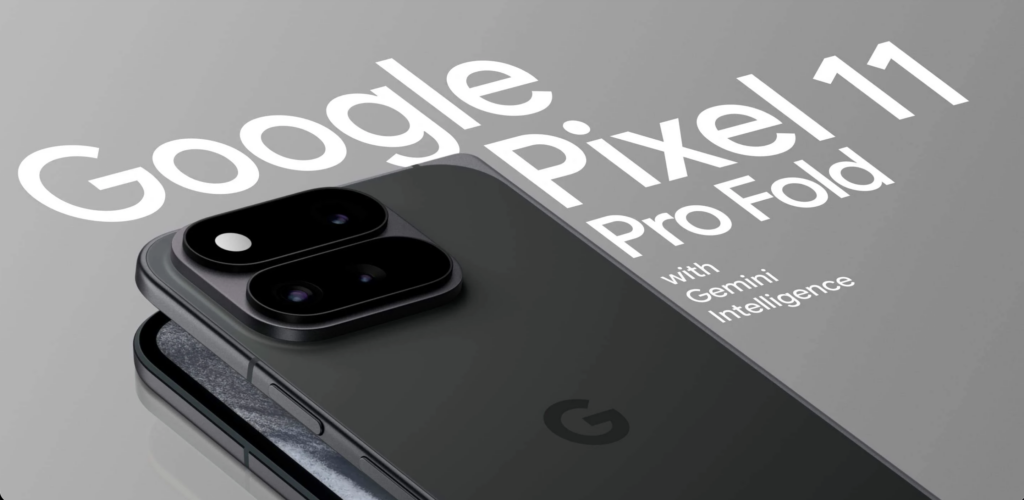
Then there’s the most ambitious device of the bunch: the Pixel 11 Pro Fold. It certainly isn’t aiming to be an budget-friendly option, but Google is positioning this generation squarely at multitaskers and productivity-focused users. It’s Google’s most durable foldable to date, featuring a slimmer profile, narrower bezels, and a brighter display. For me, the Fold is where Google’s software-first approach makes the absolute most sense.
A foldable offers a bigger canvas, but extra screen real estate isn’t inherently useful on its own. The true value lies in what the software does with that space. That’s why Gemini integration, split-screen multitasking, and creator tools feel far more impactful on a foldable than on a traditional slab phone. On a larger display, AI assistance and heavy workflows actually have room to breathe.
The Fold isn’t just a phone that unfolds into something bigger; it’s Google’s case for your smartphone becoming a versatile computing hub. That said, like most foldables on the market, it comes with a few hardware trade-offs despite carrying the highest price tag. That’s simply the compromise you have to accept if you decide to take the foldable route.
And then there’s the Pixel Watch 5
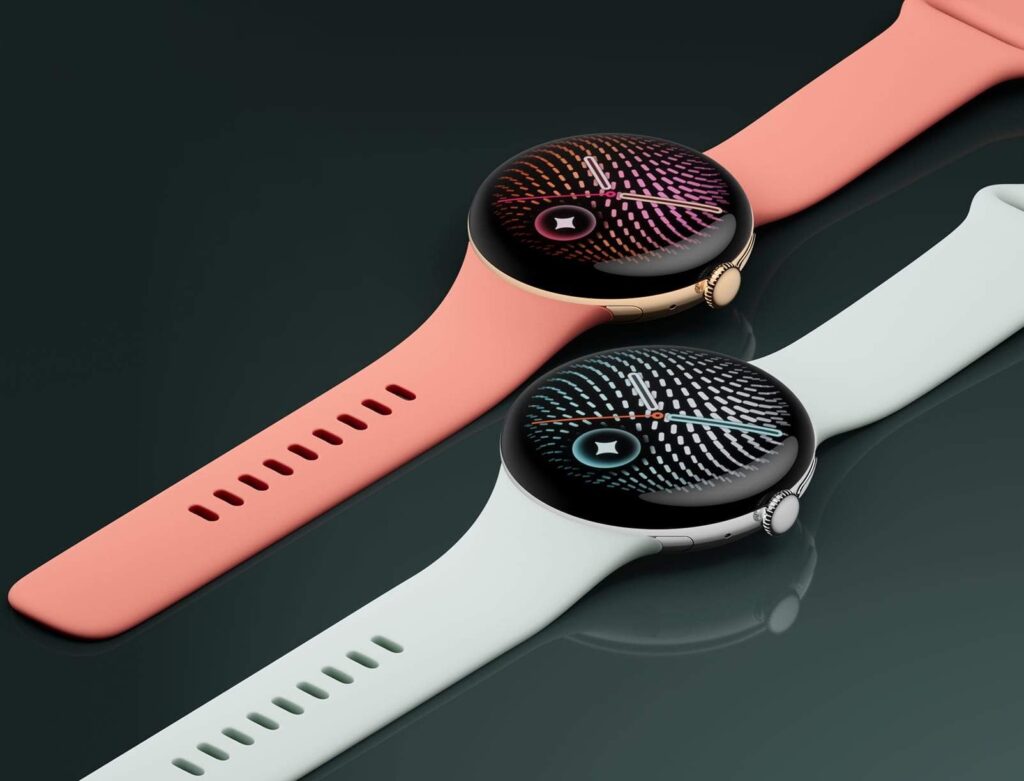
Google’s smartwatch ecosystem is following a very similar trajectory. The Pixel Watch 5 combines upgraded health and wellness tracking with Gemini Intelligence, better performance, and extended battery life. Available in both 41mm and 45mm sizes, the larger model is rated for up to 40 hours of use on a single charge.
The real win here is the blend of health data, ambient AI, and everyday utility. A wearable is at its best when you stop viewing it as a mini smartphone strapped to your wrist. It should quietly run in the background, monitoring your sleep, workouts, daily routines, and only pop up with relevant insights when you genuinely need them. That’s where Gemini gets interesting.
Google is clearly aiming to transform the Pixel Watch from a basic notification screen into an active health and lifestyle companion. Small details matter here, too: fast charging is the kind of practical upgrade that seems modest on paper until you actually experience the convenience in daily use.
My Verdict
The Google Pixel lineup has always been about the experience over sheer hardware specs. Every generation brings modest hardware tweaks, but the real leap always happens in the software. With the Pixel 11 series, Google isn’t just offering AI features, they’re making them useful enough that we stop noticing they’re even working.
While rival flagships rely on brute-force hardware specs and rising component costs to justify higher price tags, Google is doubling down on software magic. By letting AI handle the heavy lifting behind the scenes, Google isn’t just selling another smartphone; they’re building a blueprint for how Android should feel in 2026.
If you’re hunting for the absolute highest raw specs or benchmark numbers, look elsewhere. But if you want a phone that actively lightens your workload, simplifies content creation, and gets smarter the more you use it, the Pixel 11 lineup is Google’s strongest statement yet.
If you’re hunting for the absolute highest raw specs or benchmark numbers, look elsewhere. But if you want a phone that gets smarter the more you use it, the Pixel 11 lineup is Google’s strongest statement yet.
Share this content:








Post Comment