Top 5 Cars You Must See at KLIMS 2026: A Tech Enthusiast’s Guide
The Kuala Lumpur International Motor Show (KLIMS 2026) is finally here, and if you walk onto the show floor expecting just another collection of standard commuters, you are missing the bigger picture. The automotive world is undergoing a massive architectural shift, and this year’s show is a playground for pure tech and performance.
For the tech-centric crowd and true driving purists, a few stands deserve your absolute undivided attention. SH Team have done the hard work to cut through the marketing fluff and bring you the top five vehicles you need to get your eyes on right now.
1. The Nostalgia Reborn: Honda Prelude 2026
Official Price: RM278,000 (On-The-Road without insurance)

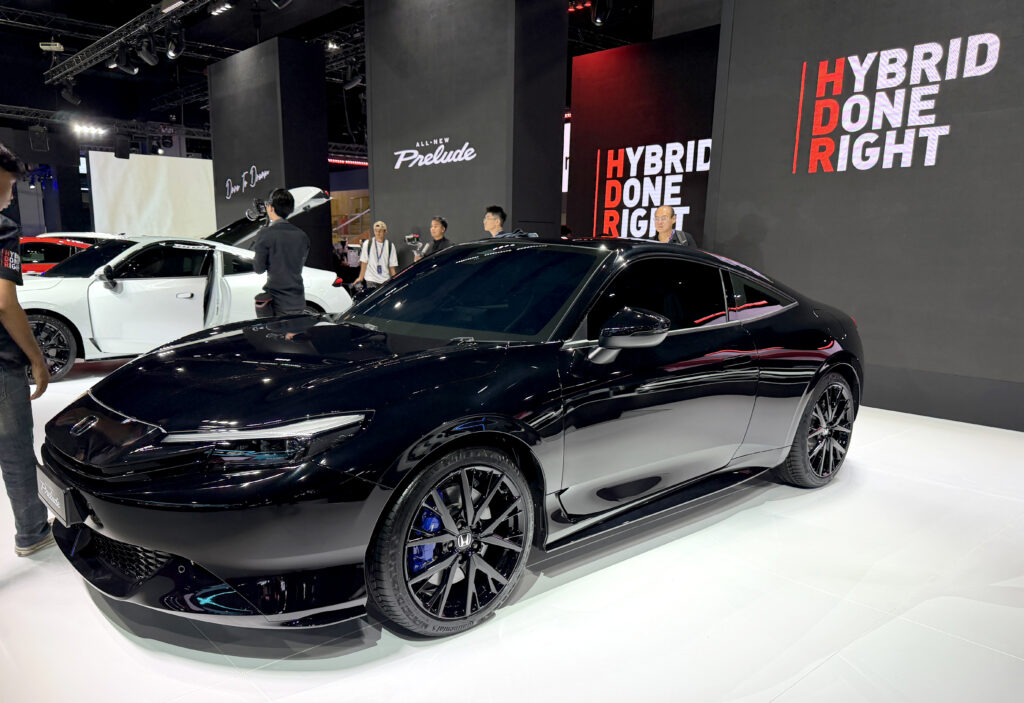
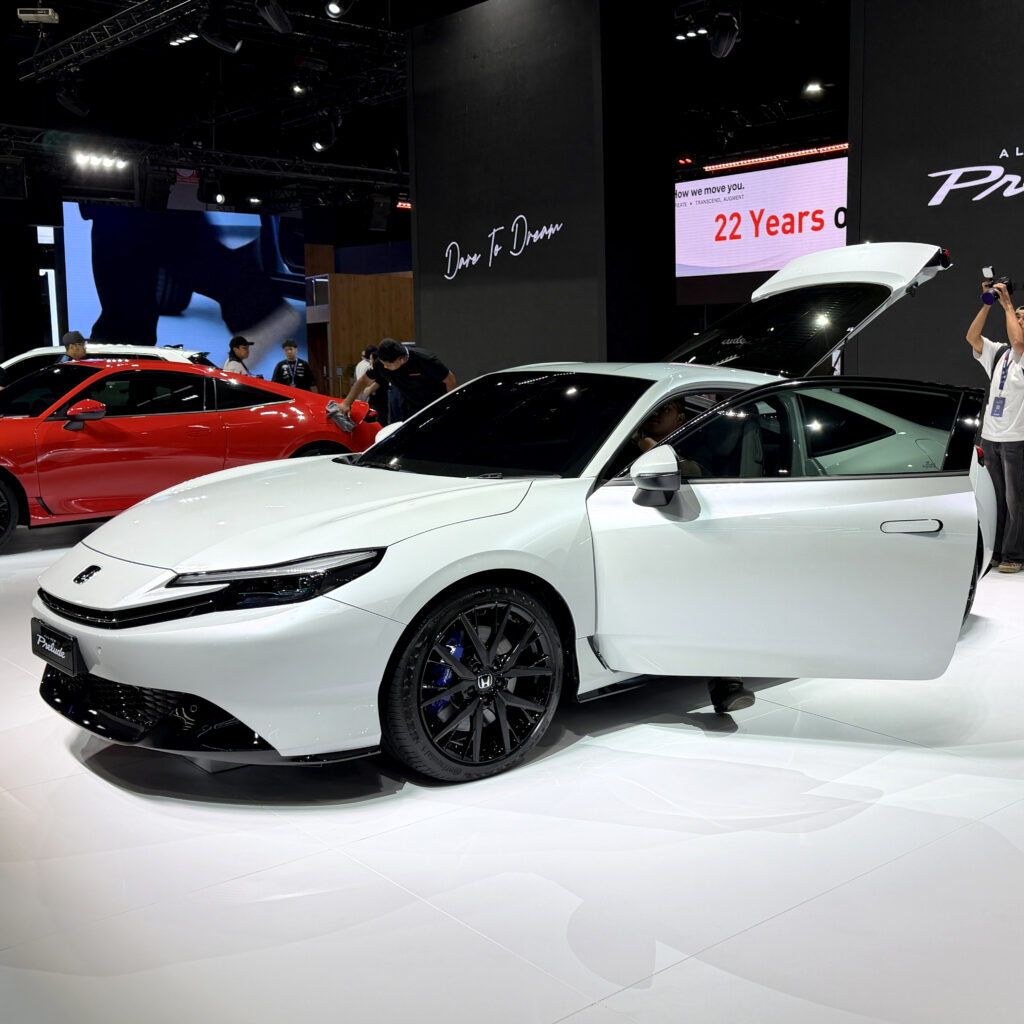

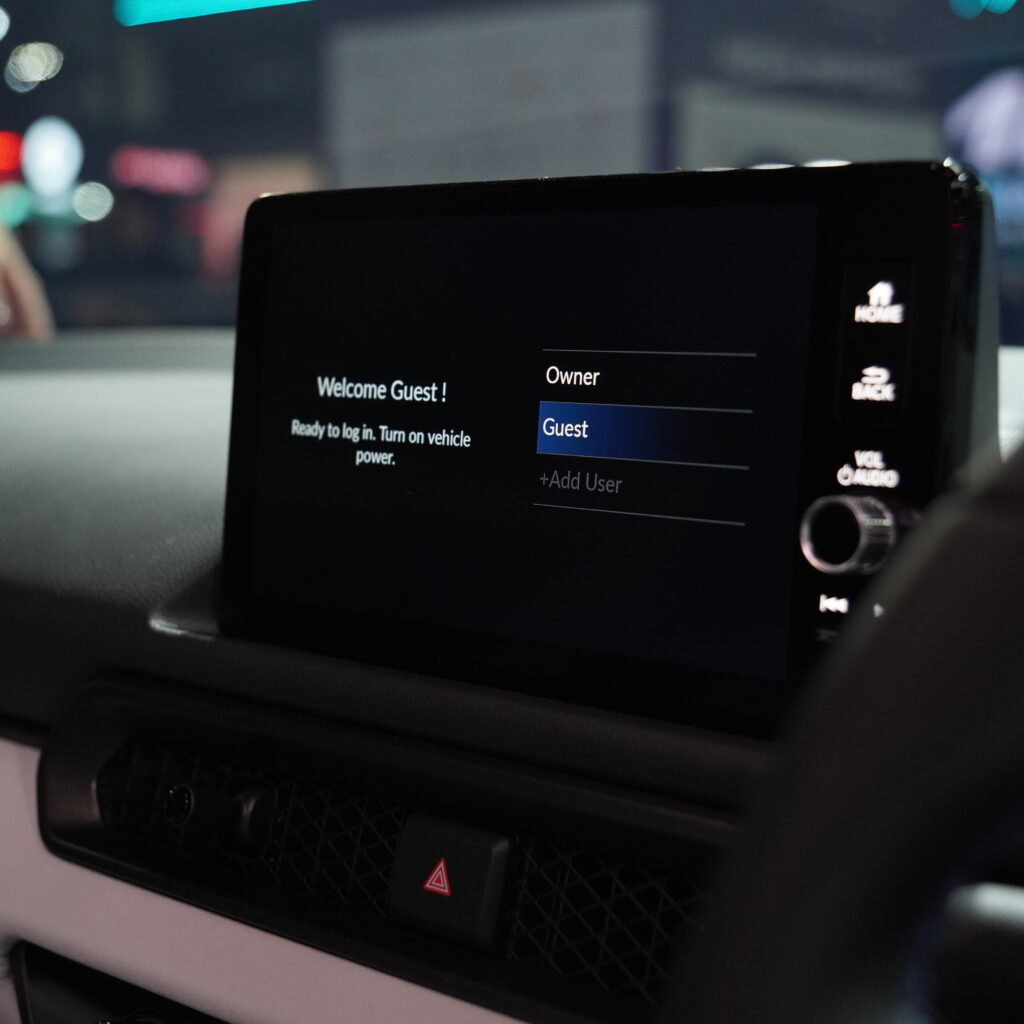
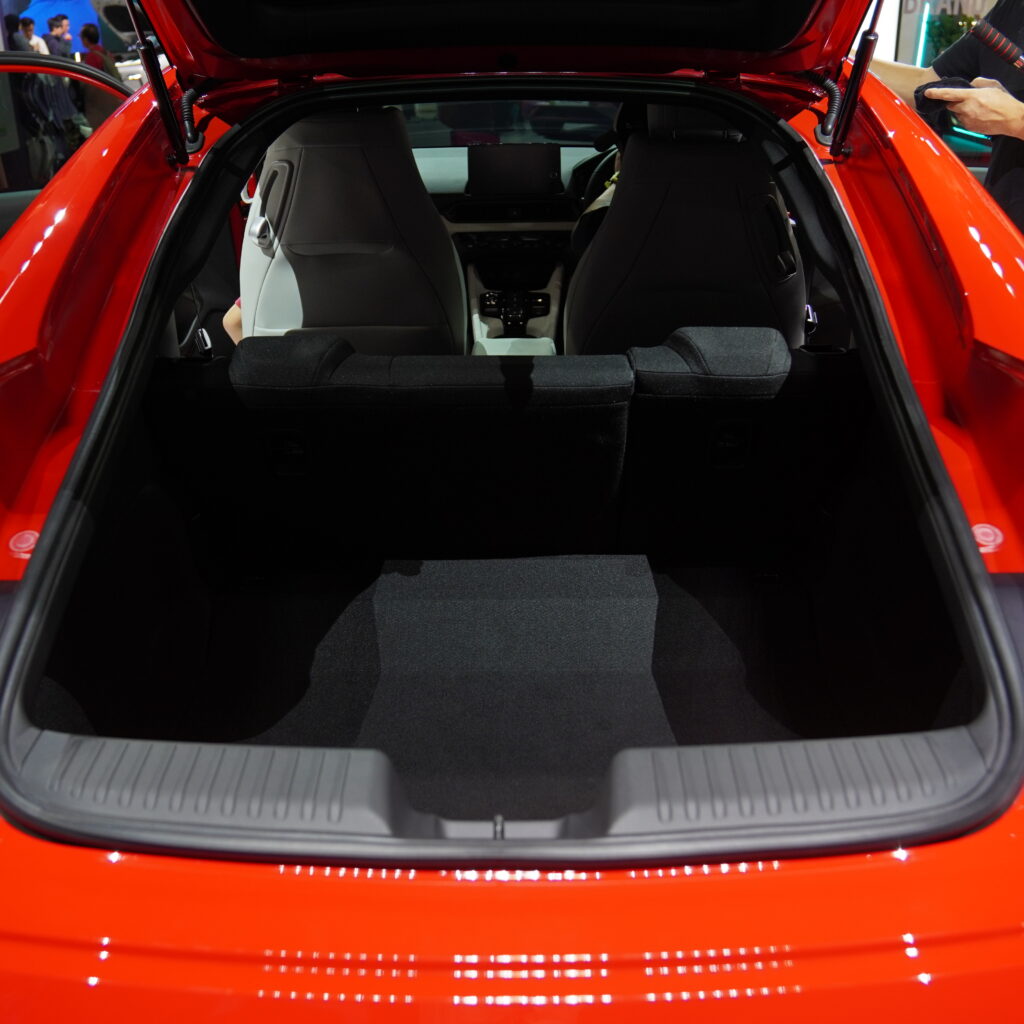
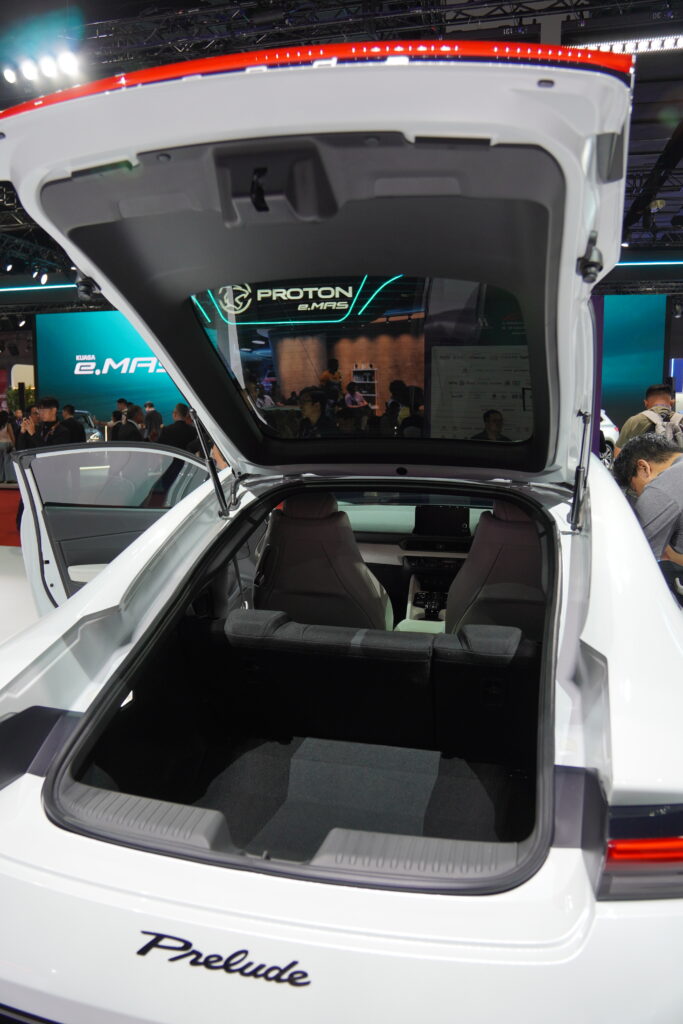
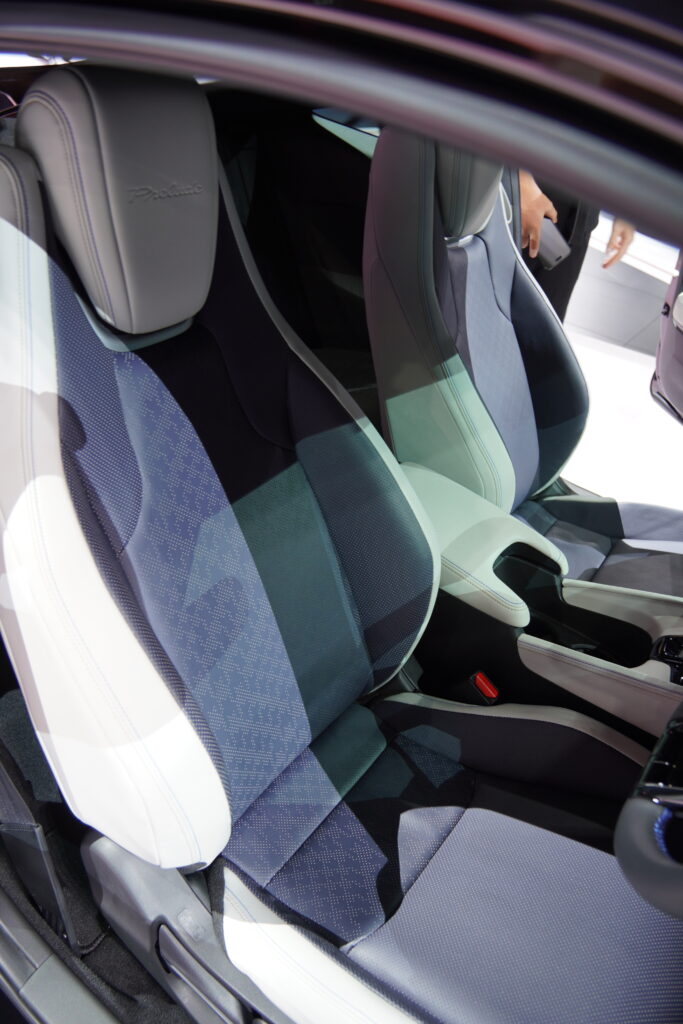
Honda is playing a dangerous game with nostalgia, but walking up to the new Prelude on the show floor proves they might have actually pulled it off. This isn’t just a styling exercise; it is an outright resurrection of the iconic grand touring coupe formula, reimagined for a low-emission era. Visually, it nails the classic coupe silhouette with its aggressively low-slung stance, sharp nose, and sweeping roofline that flows into muscular rear haunches.


Under the skin, the sixth-generation Prelude sits in between a Honda Civic, and the performance Type-R. In fact this Prelude, despite it’s sporty look, which in my opinion is very sexy, is powered by a Hybrid engine! Although to be fair to Honda, Prelude moves past the economy-car stigma of standard hybrids. Power comes from a 2.0-litre e:HEV hybrid powertrain producing a combined 184 PS and a solid 315 Nm of torque. To ensure the car doesn’t just look fast in a straight line, Honda lifted the dual-axis MacPherson front strut suspension design and adaptive dampers directly out of the Civic Type R engineering playbook. This mechanical foundation entirely changes how the front end bites into corners, mitigating the understeer typically found in heavy front-wheel-drive hybrid platforms.
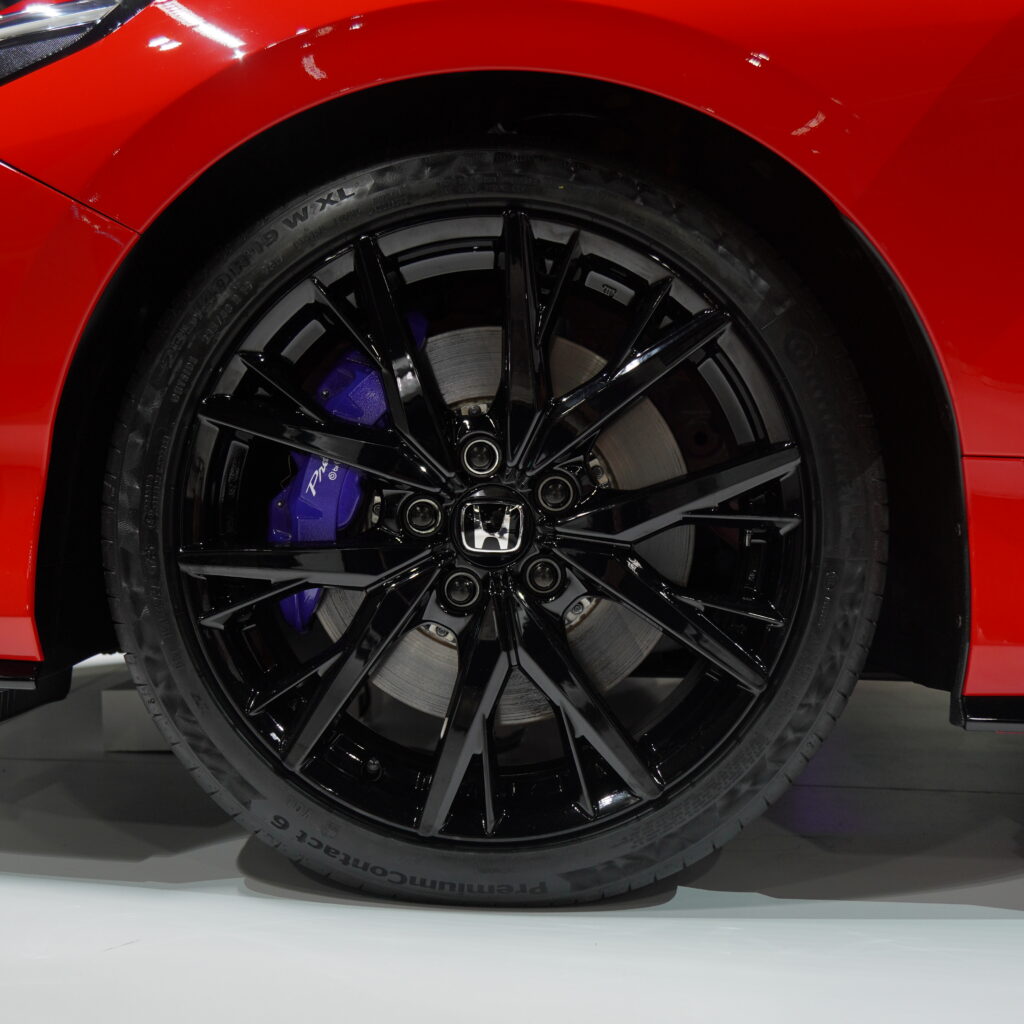


The true masterstroke for tech purists is Honda’s newly developed S+ Shift technology. Recognizing that traditional electronic continuously variable transmissions (e-CVTs) suffer from a disconnected “rubber-band” feel, Honda wrote a software layer that forces the hybrid system to mimic a traditional mechanical gearbox. It coordinates physical engine rev drops with simulated gear shifts, while the Active Sound Control system pumps genuine, unfiltered acoustic notes into the cabin. This entire experience is tethered to a highly responsive 10.2-inch infotainment setup featuring wireless Apple CarPlay and Android Auto as standard, allowing drivers to seamlessly log performance telemetry directly back to their iOS or Android devices via Honda’s updated mobile ecosystem. It is a highly creative software solution that brings tactile soul back to a high-efficiency electrified platform.






2. The High-Voltage Track Weapons: Hyundai Ioniq 5 N & 6 N
Official Price: Ioniq 5 N – RM443,888 | Ioniq 6 N – RM449,888 (OTR, Built-To-Order CBU)


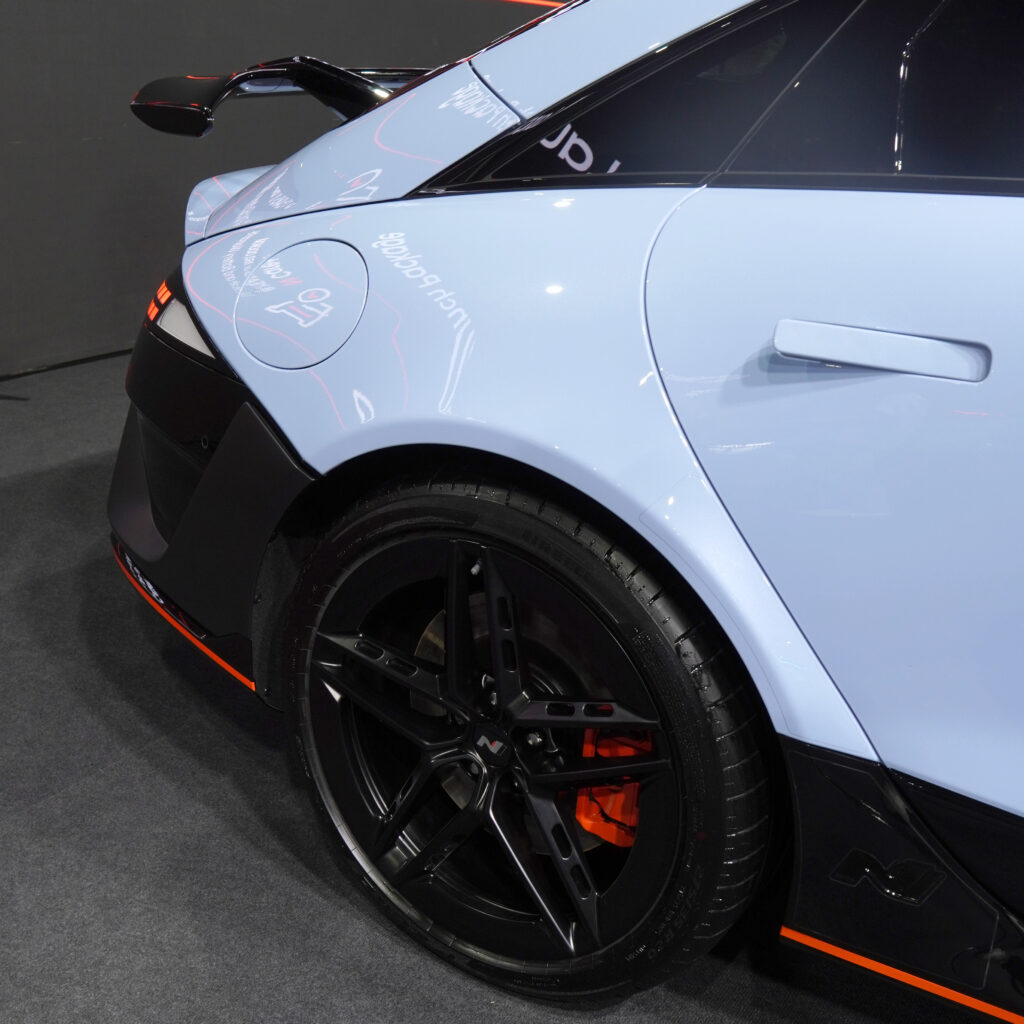
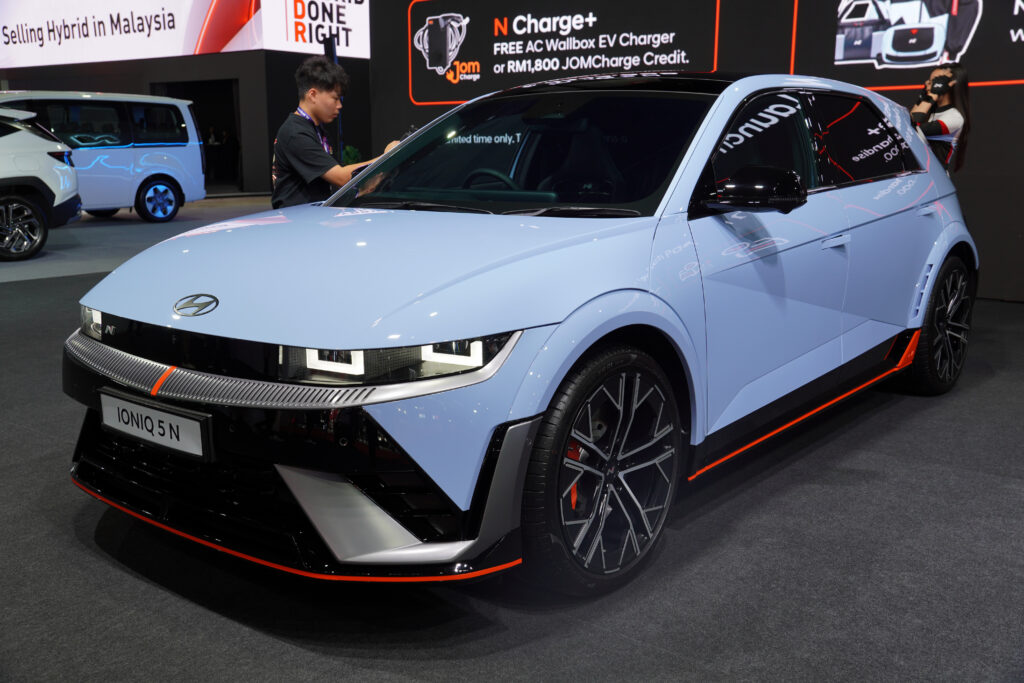
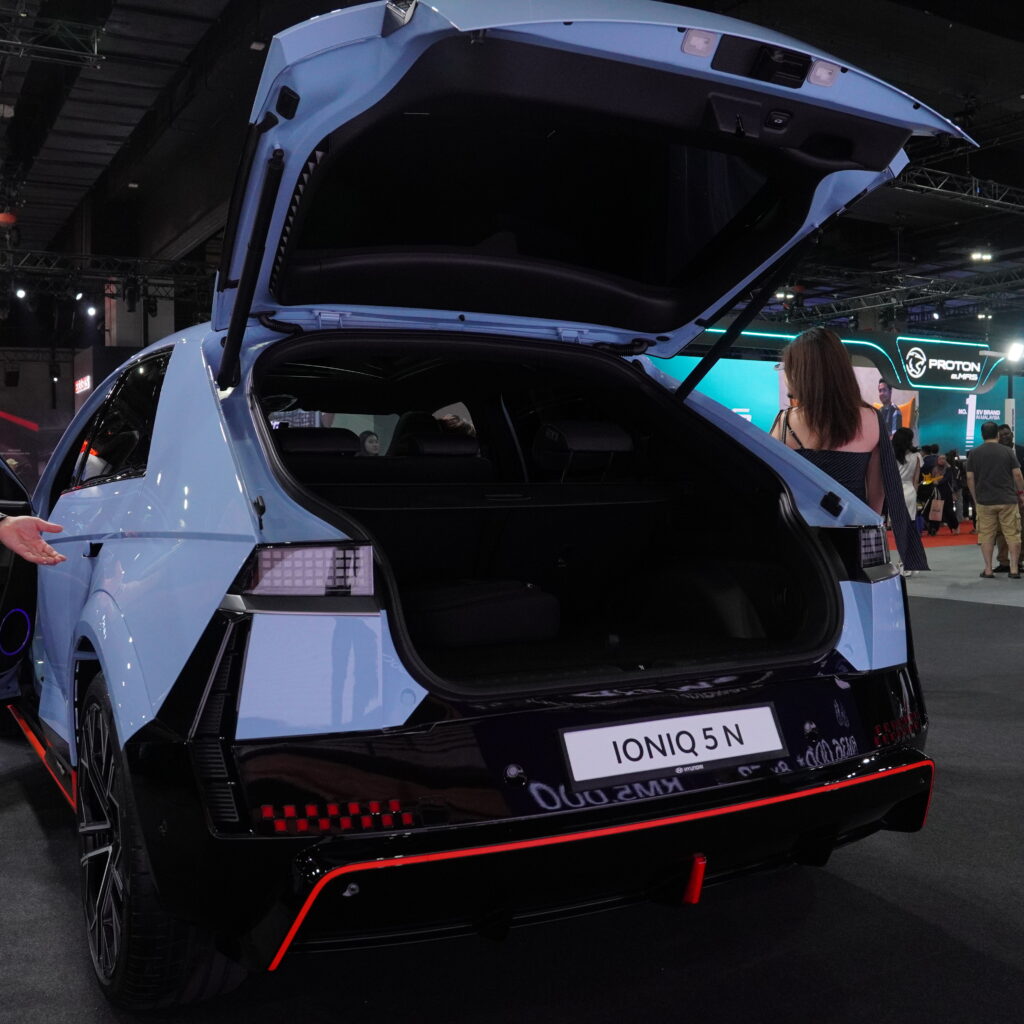
If you still believe electric vehicles are sterile appliances devoid of emotion, the Hyundai N booth will shatter that illusion. After the Honda, Hyundai gets the most attention, well at least from me! Grouped together as Hyundai’s ultimate performance statement, the Ioniq 5 N and the newly arrived Ioniq 6 N are absolute masterclasses in digital chassis control. They produce an identical, terrifying 650 PS (641 hp) via a dual-motor setup, but they cater to entirely different aesthetic tastes. The 5 N brings aggressive hot-hatch boxiness, while the 6 N introduces a highly aerodynamic streamliner shape with a slick 0.27 drag coefficient.

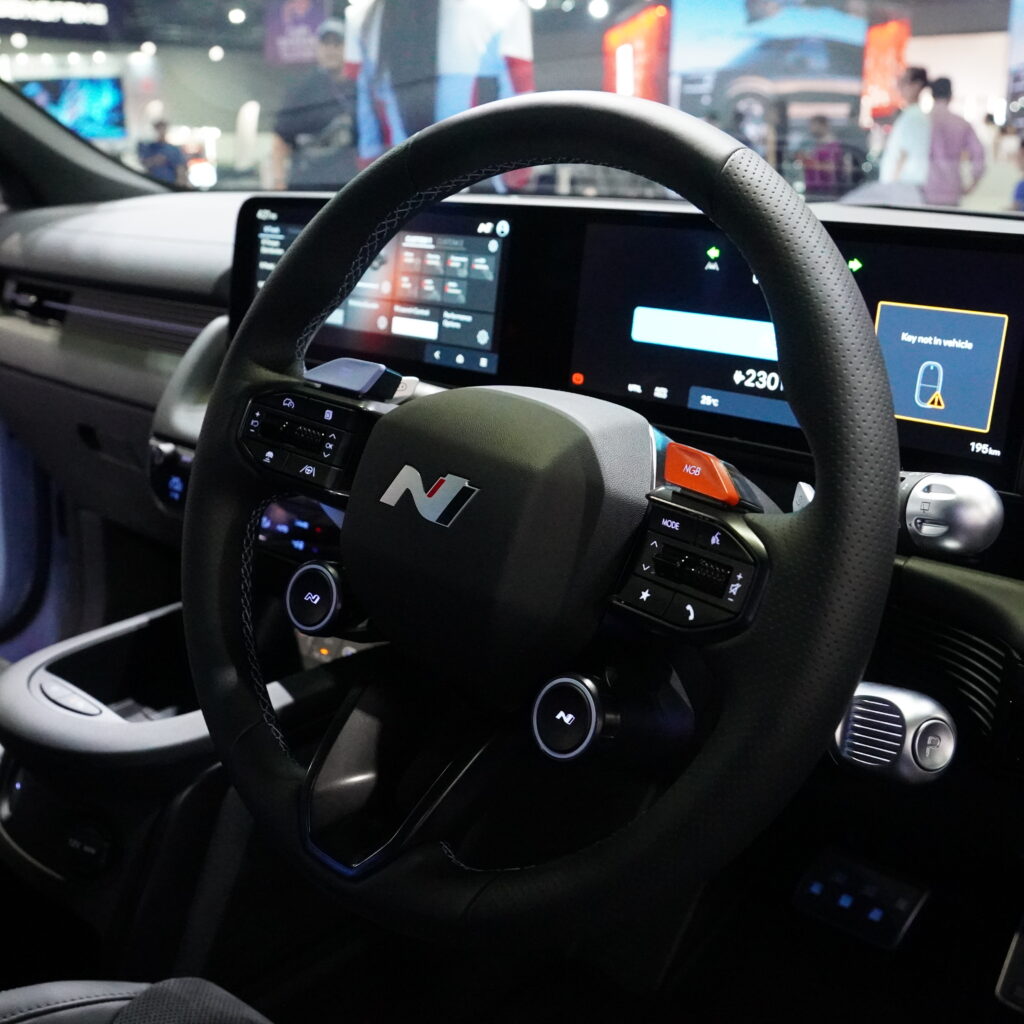
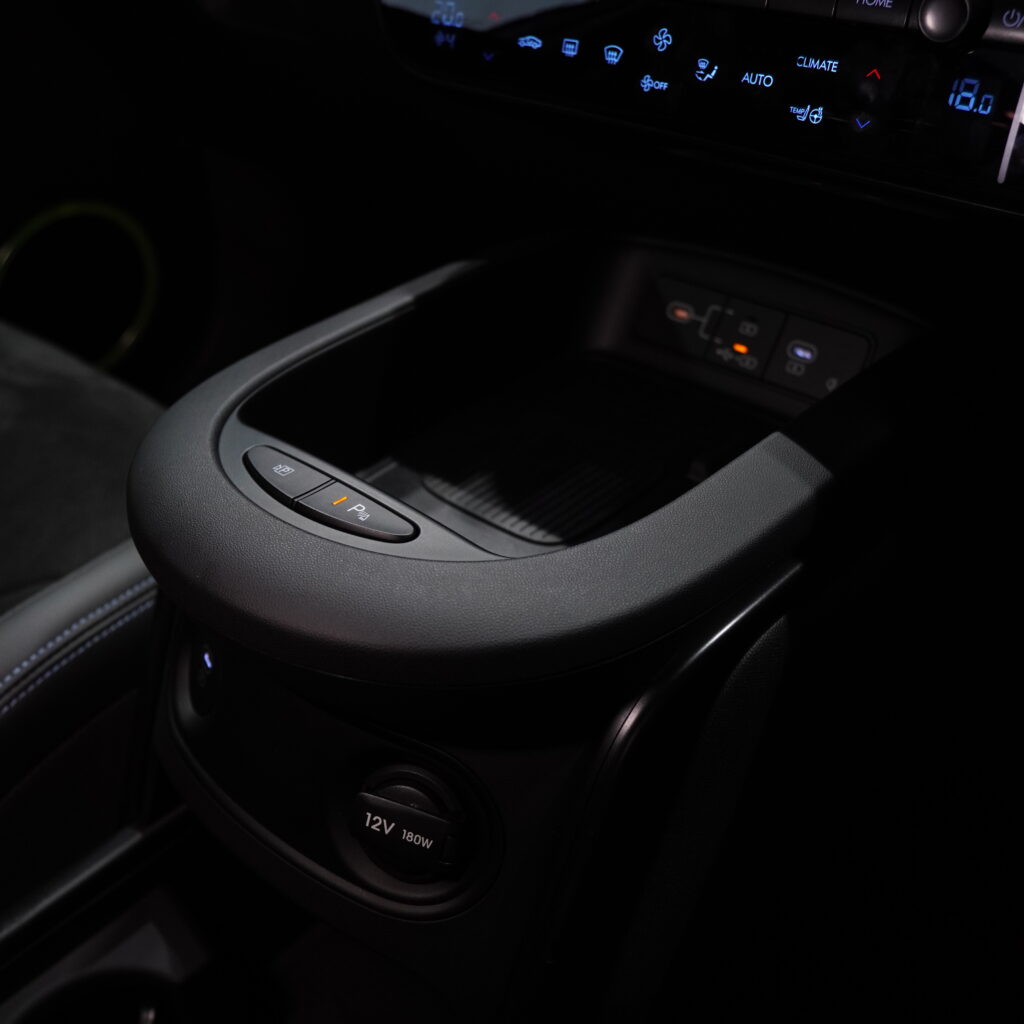
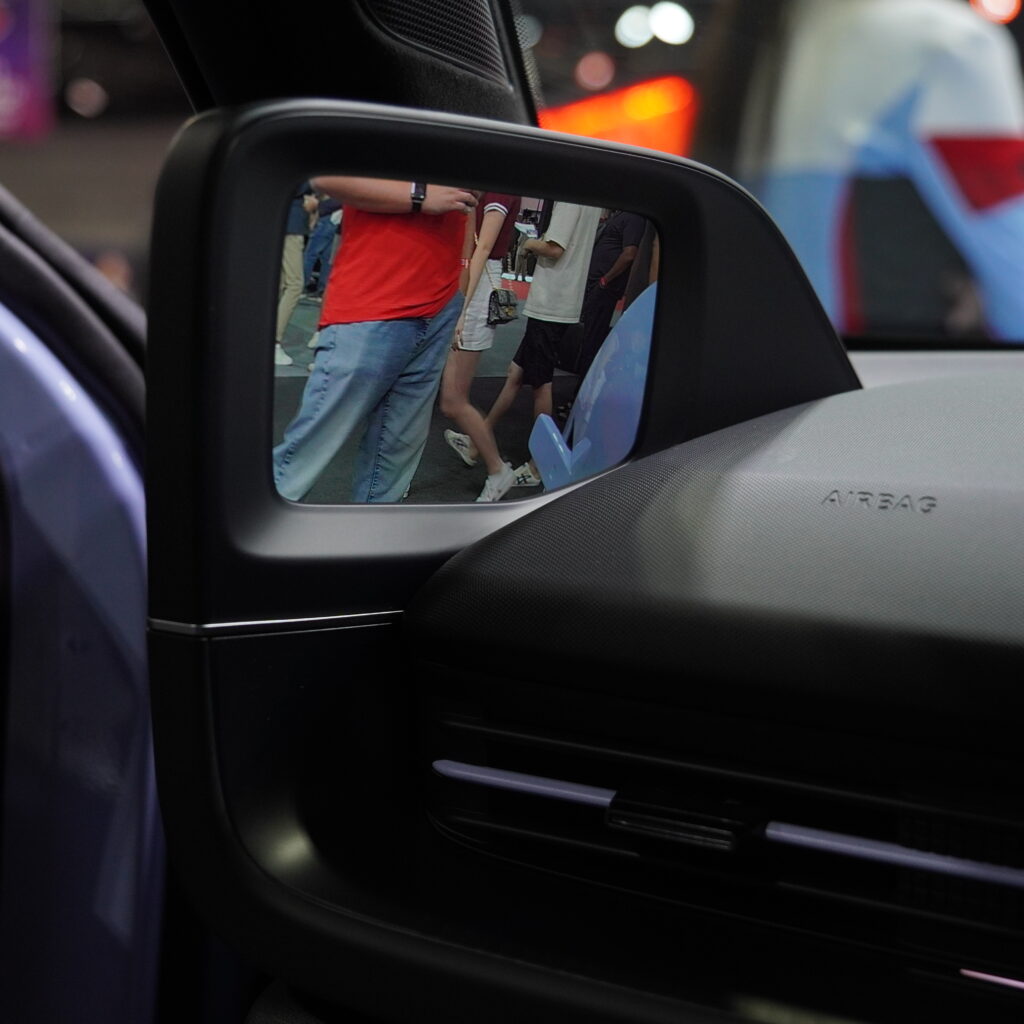
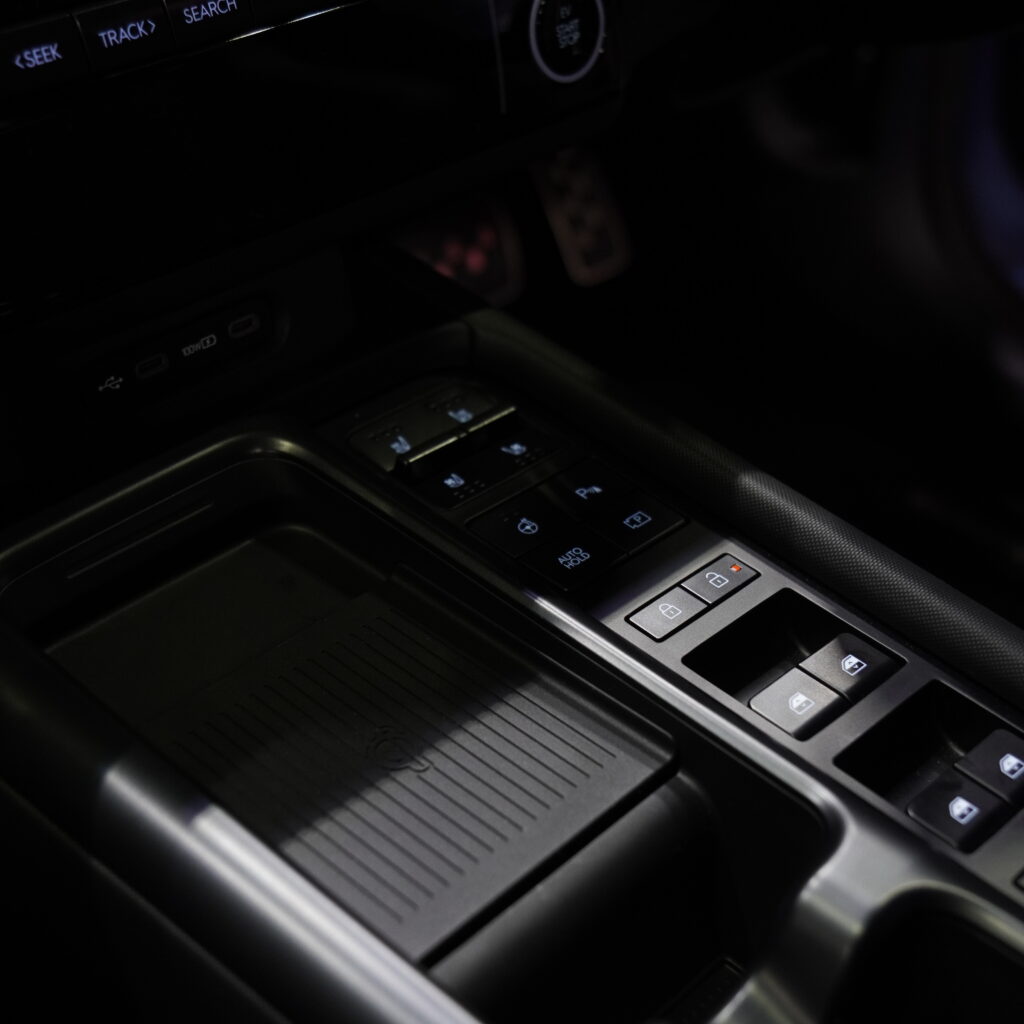
The high-end racing aesthetic hits you the moment you look inside the cockpit. The bespoke N steering wheel looks less like a commuter piece and more like a multi-million-dollar hypercar command center, bristling with physical toggle switches and dedicated drive-mode buttons. Tech enthusiasts will love the twin custom N buttons, which function as programmable digital shortcuts. You can map your exact preferred combinations of suspension stiffness, steering weight, and motor response directly to these keys, dropping the car from a comfortable city cruiser into an aggressive track build with a single click.


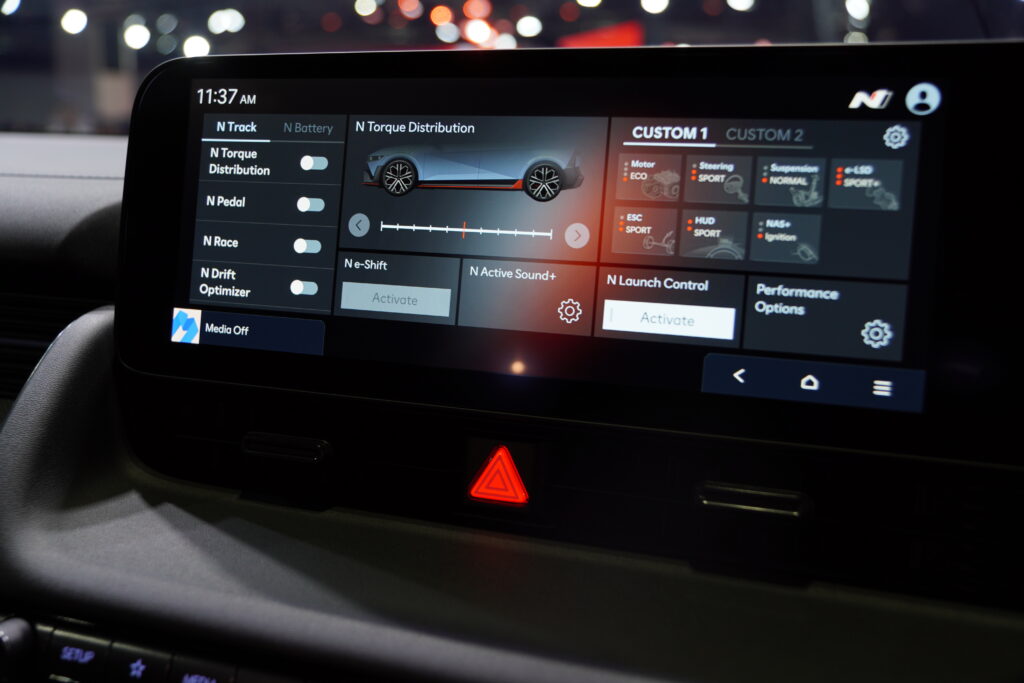
Beyond the interface, the underlying software suite features deeply integrated N-optimization toys that rewrite how power handles cornering. Engaging N Pedal leverages intense regenerative braking to simulate a pro-racer’s left-foot braking technique, aggressively shifting vehicle weight to the nose during high-speed turn-in to eliminate EV understeer. Meanwhile, the N Torque Distribution system acts as a fully variable digital differential, granting drivers a granular 11-level slider to split power between the axles. You can shift from a balanced 50:50 all-wheel-drive grip layout to an extreme 0:100 pure rear-wheel-drive bias, allowing you to fine-tune the chassis dynamics completely via software controls.
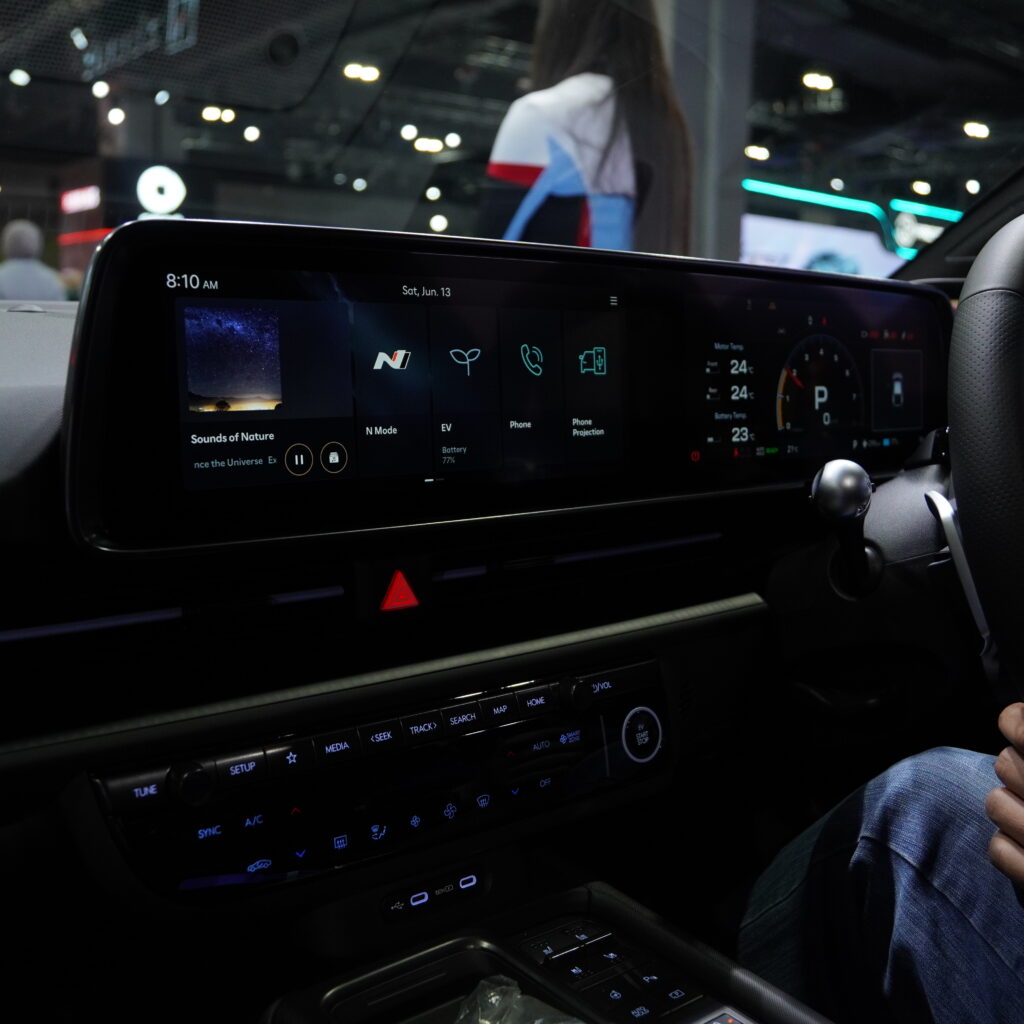
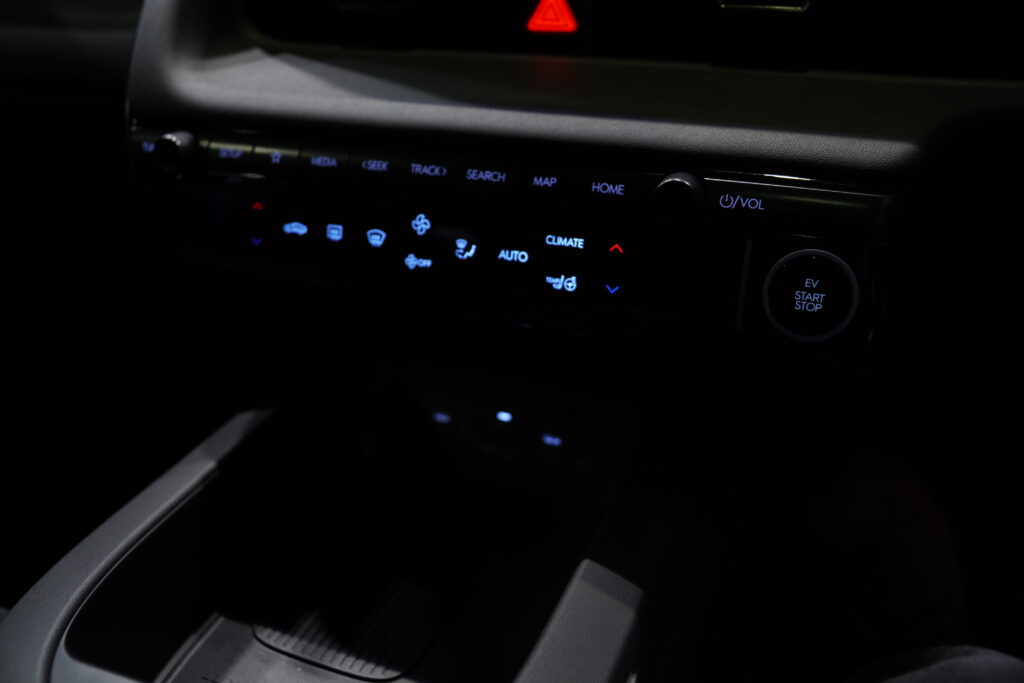
Crucially for daily tech users, Hyundai has introduced full wireless Apple CarPlay and Android Auto across their dual 12.3-inch panoramic cockpit arrays. Even better is the implementation of the Hyundai Digital Key 2 Touch system. Utilizing ultra-wideband (UWB) and NFC protocols, it allows you to completely leave your physical key fob at home. You can unlock, start, and drive either N model using just your iPhone, Android smartphone, or Apple Watch, and even securely text temporary vehicle access keys to a friend’s phone over encrypted messaging channels.
From a pure endurance perspective, the N duo tackles one of the biggest weakness of performance EVs: the lack of feel. Hyundai’s engineers used advanced powertrain coding to solve the emotional void on both the Ioniq. By engaging the N e-Shift system via the steering-wheel paddles, the vehicle’s control unit momentarily interrupts motor torque delivery to perfectly replicate the physical, mechanical jolt of an 8-speed dual-clutch transmission. Paired with synthesized internal combustion engine acoustics, it tricks your sensory nervous system into believing you are shifting gears. Brilliant. It is proof that the future of enthusiast cars depends entirely on how creatively engineers can manipulate lines of code.










3. The Billionaire’s Rolling Lounge: Zeekr 009 Grand
Indicative Booking Price: From RM600,000
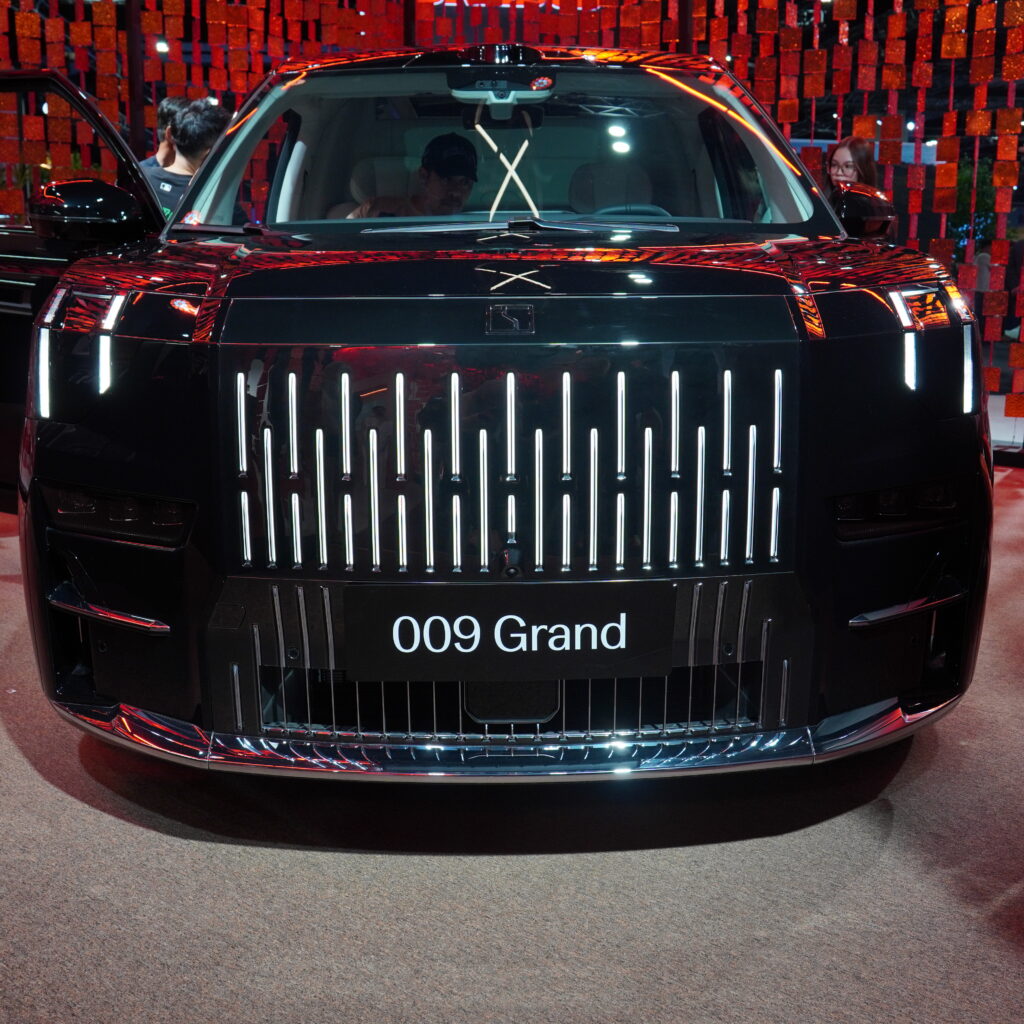

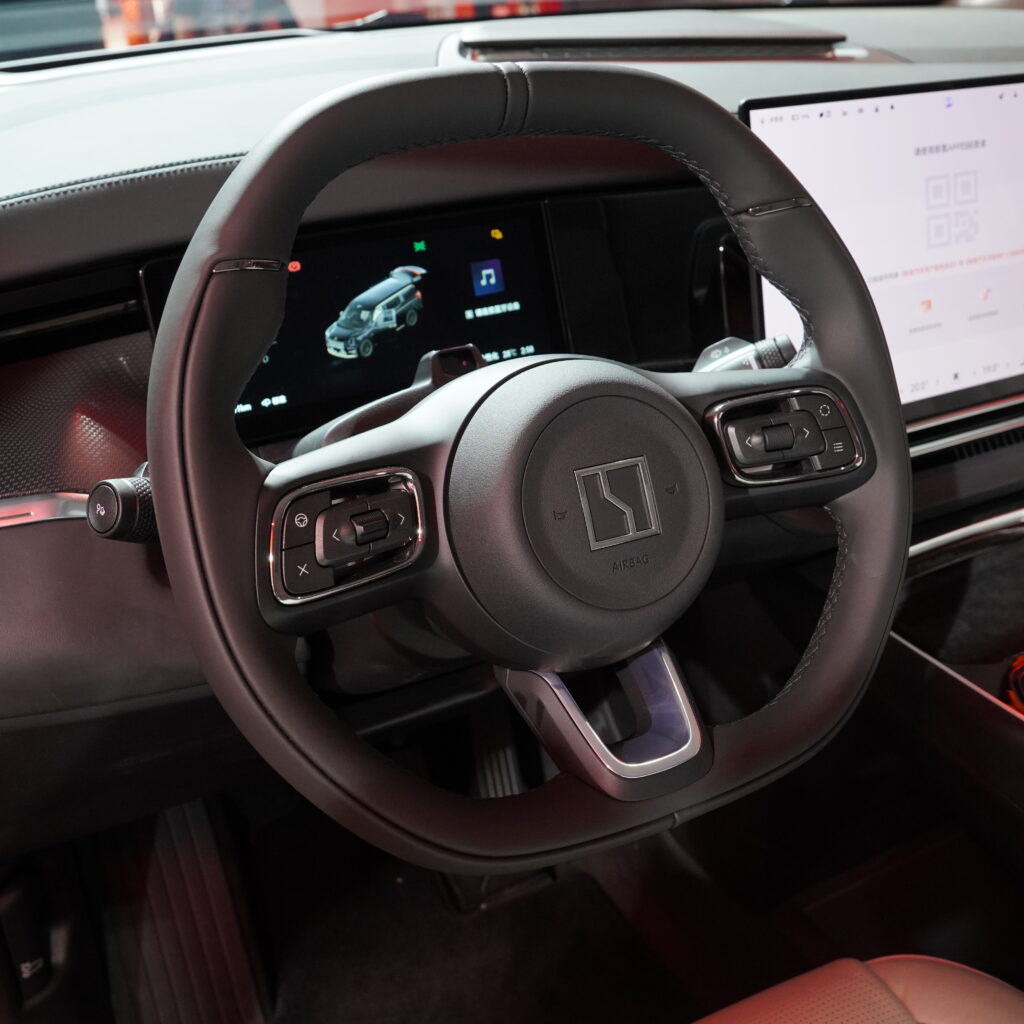
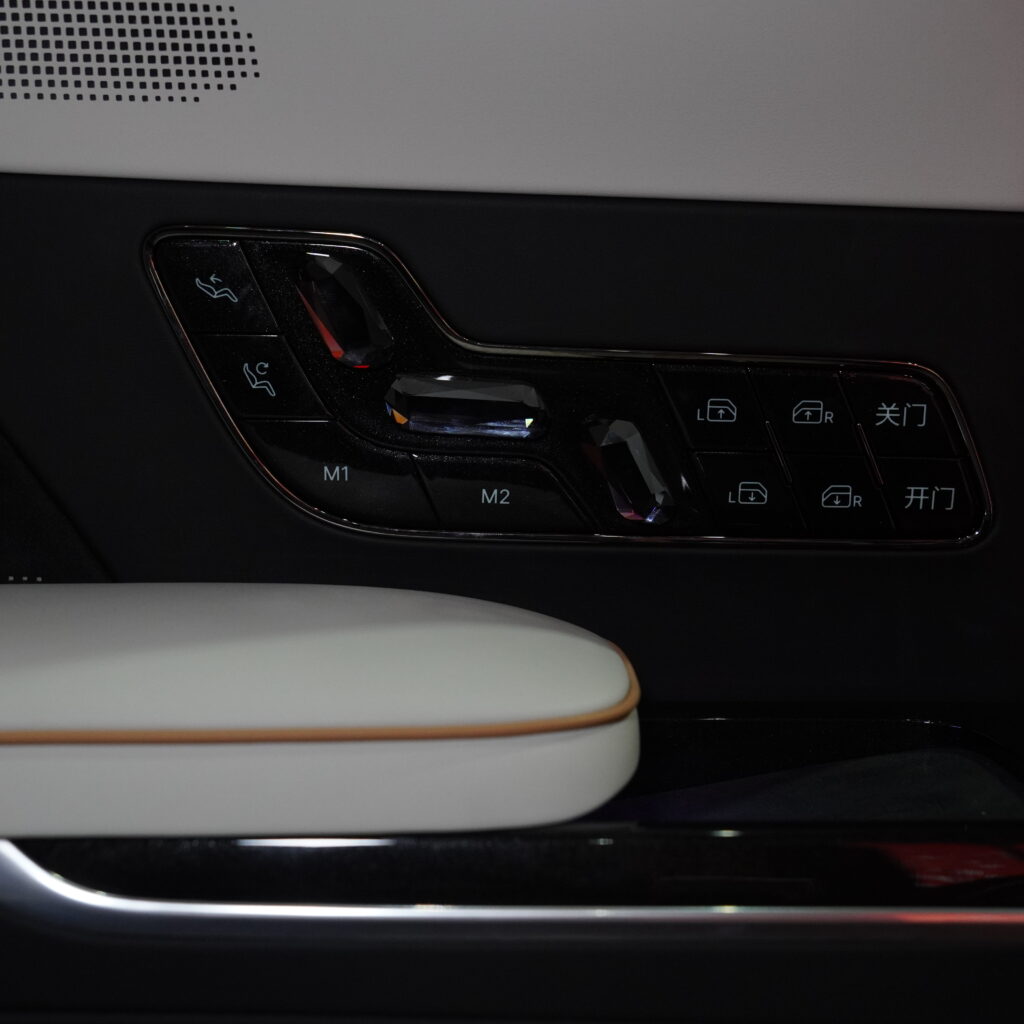
Step away from sports cars for a moment and look at how pure luxury is being redefined by massive computing power. The standard Zeekr 009 was already an imposing MPV, but the new Zeekr 009 Grand is an over-the-top, four-seat hyper-luxury fortress designed solely for the person sitting in the back row. The front cabin looks standard, but a solid physical partition walls off the rear completely, creating a rolling boardroom that targets the ultra-high-net-worth crowd. This is a MPV that truly built for a boss.
The rear partition is dominated by a colossal 43-inch Mini LED theater display paired with a 3,000-watt, 31-speaker Yamaha surround sound system. Through this display, you can have a view of the front cabin, via a camera behind the front seats, and communicate with them via a microphone and speaker. The level of detail here is absurd, featuring interior accents cut from raw Himalayan marble, dual electronic safes protected by PIN codes, and rear captain chairs that offer actual hot-stone therapy massage programs. It feels less like an automobile interior and more like a private executive suite floating down the highway.

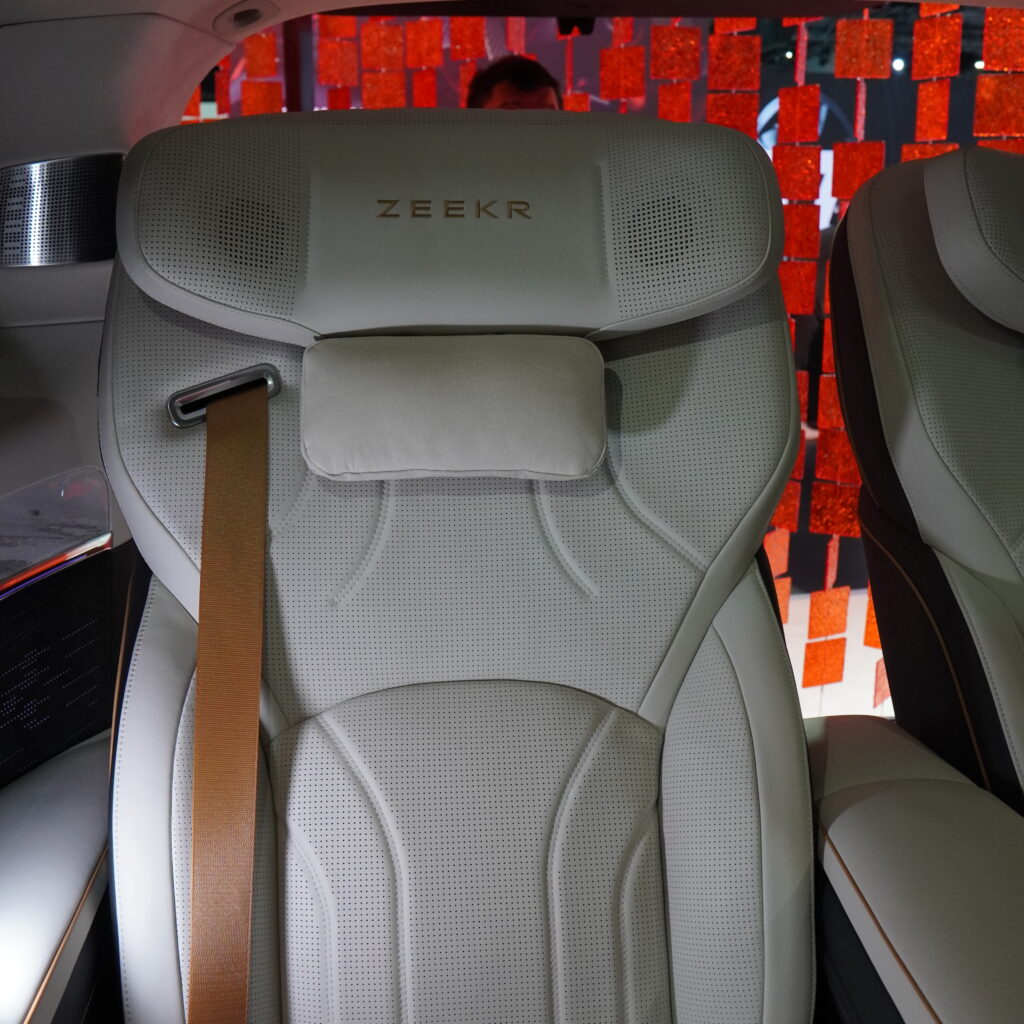


To feed content to this rolling ecosystem, Zeekr built multi-device smartphone integration straight into the rear console. Rear passengers can simultaneously cast separate iOS or Android devices onto the theater screen via multi-window phone projection, allowing you to run a Zoom meeting from your phone on one side of the screen while keeping an eye on real-time stock exchange charts on the other.
Mechanically, the Grand operates on a high-voltage 800V full-stack architecture with dual electric motors cranking out a massive 789 PS. It launches this heavy rolling palace to 100 km/h faster than many traditional sports cars, while an advanced air suspension system scans the asphalt ahead in real-time. A roof-mounted LiDAR sensor constantly feeds high-resolution spatial arrays into the driver-assistance suite, providing an unparalleled level of proactive safety tracking for its elite occupants.





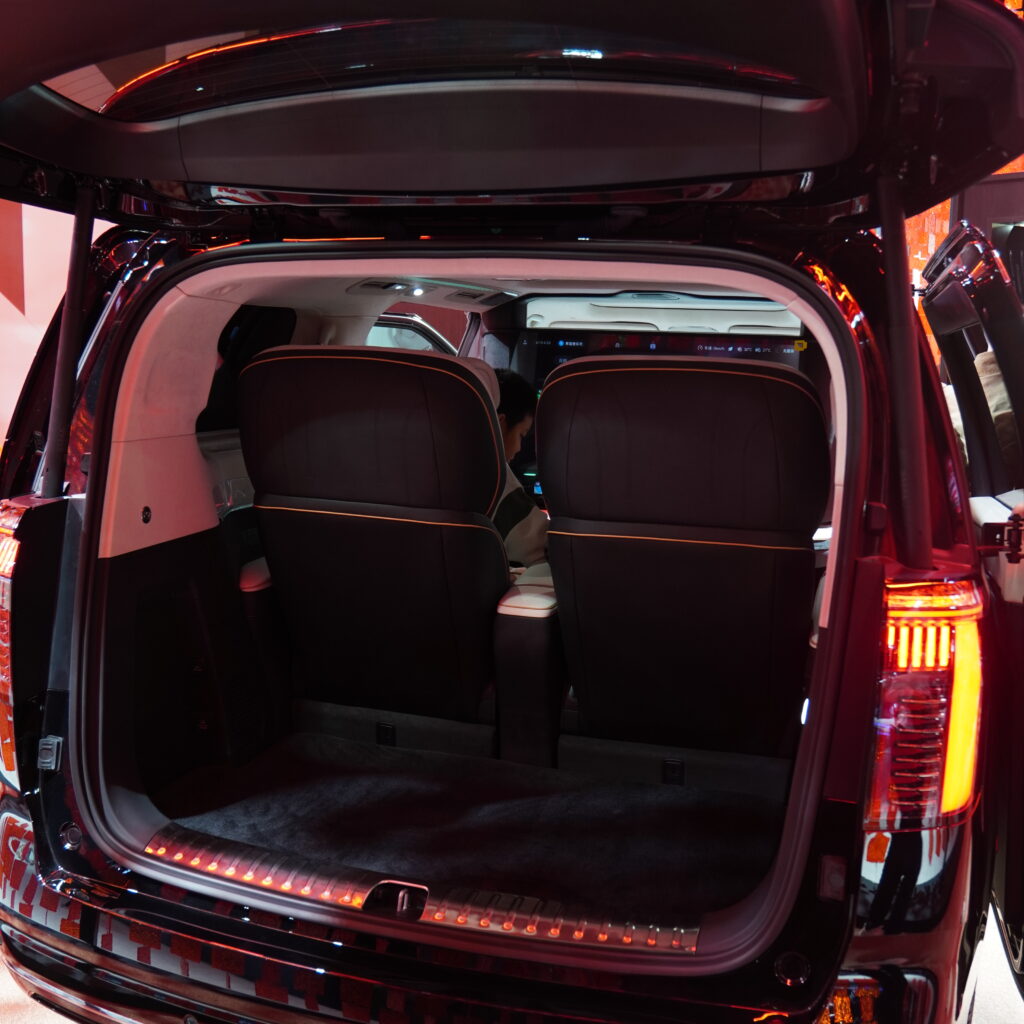
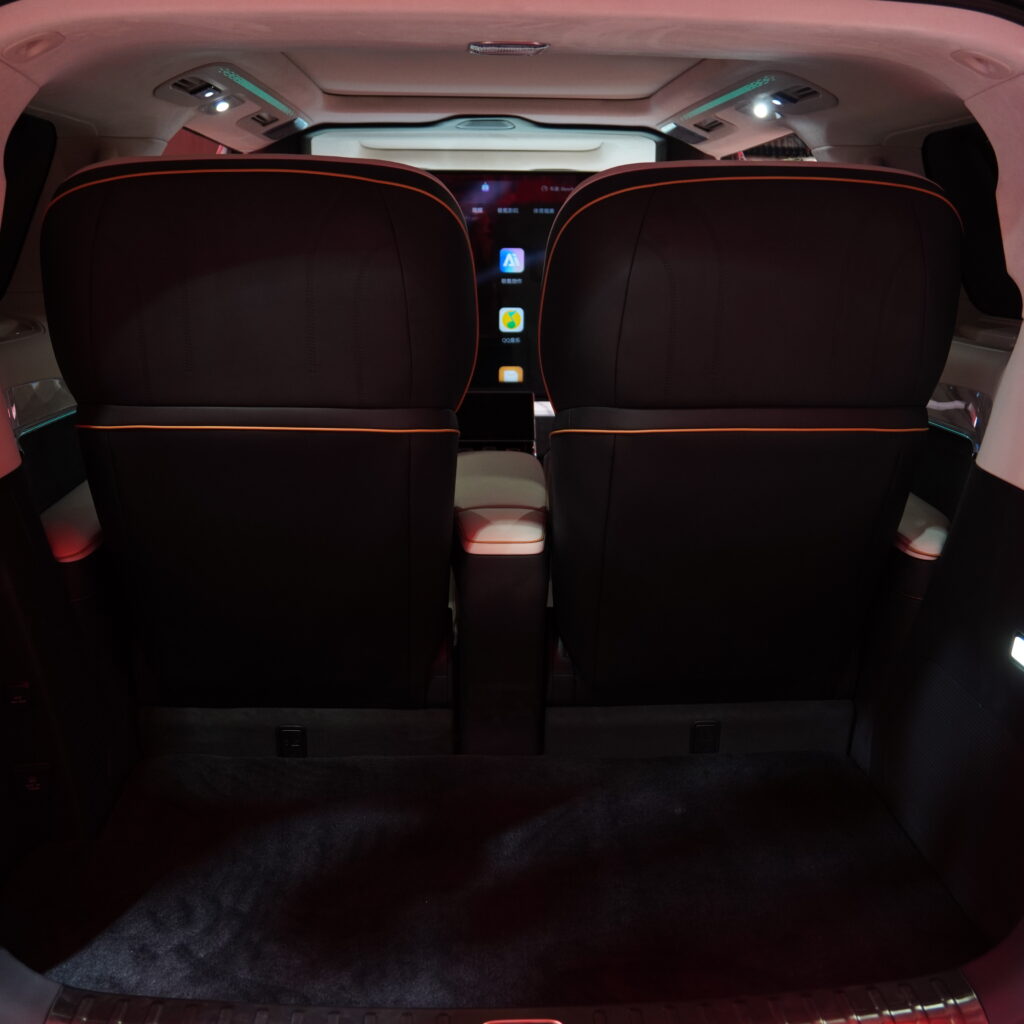

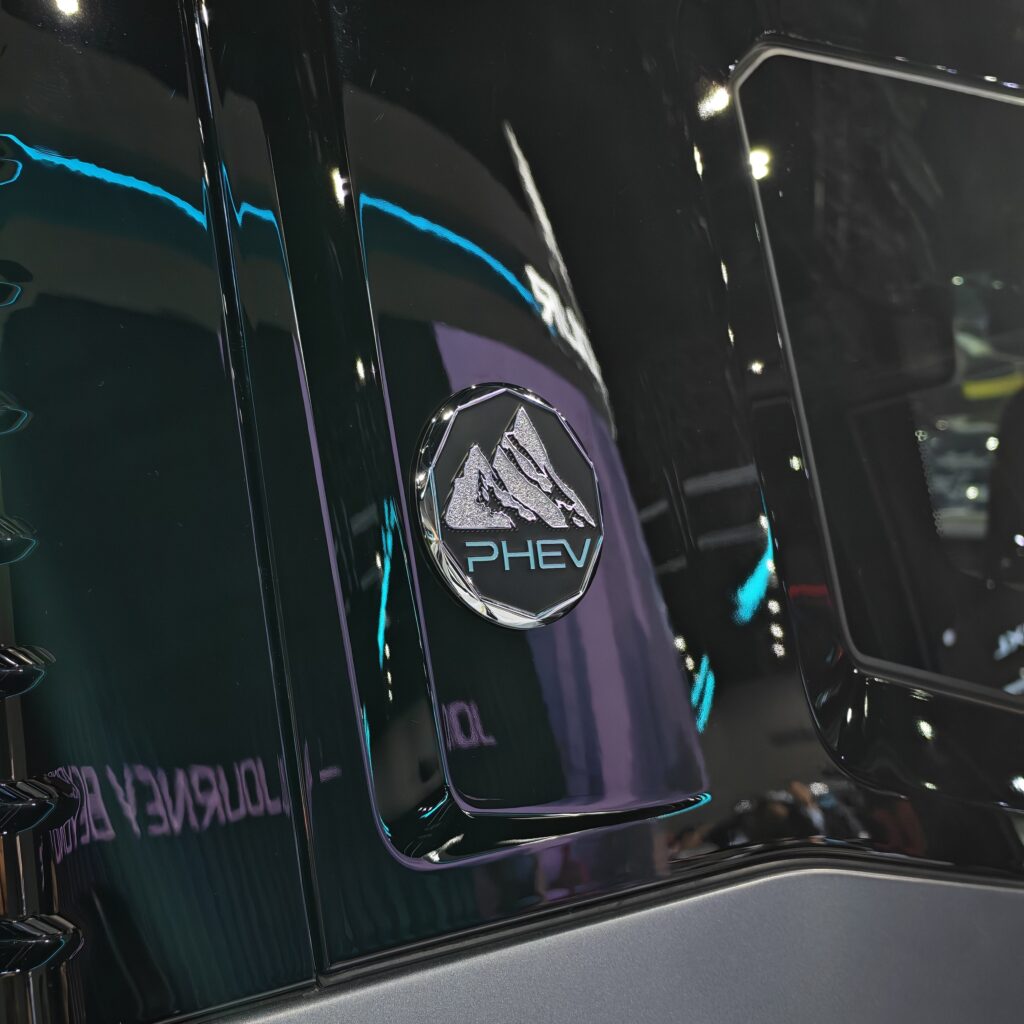
4. The Cyberpunk Explorer: Jetour T2 i-DM
Estimated Price: From RM168,888 (Bookings open)
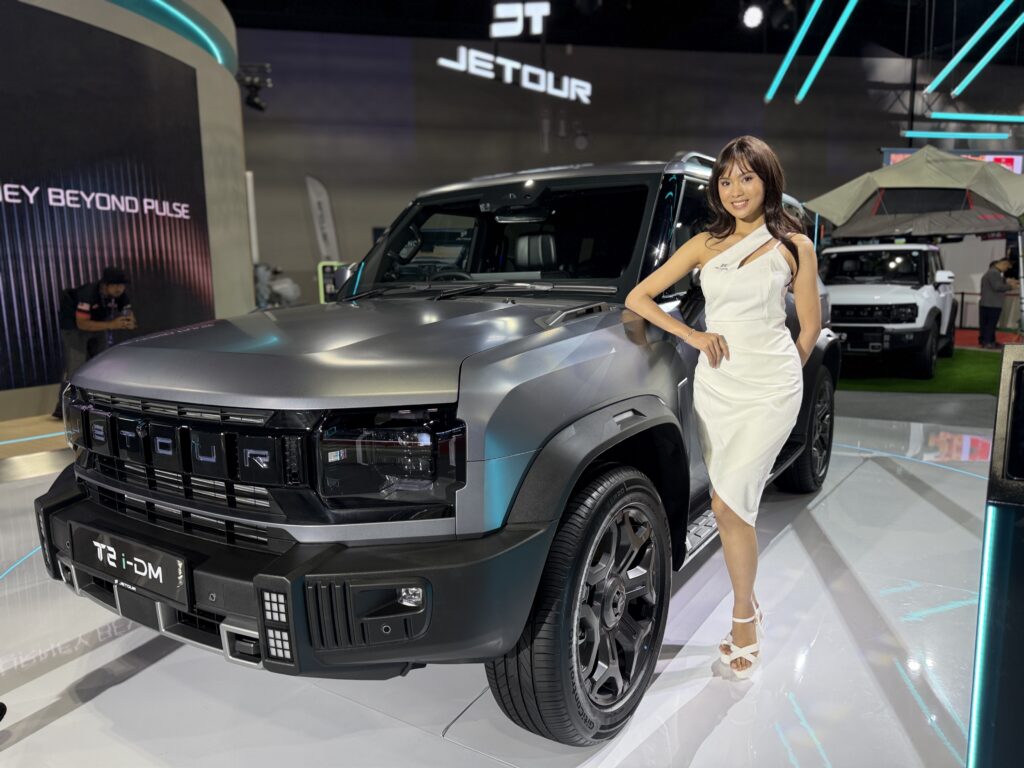
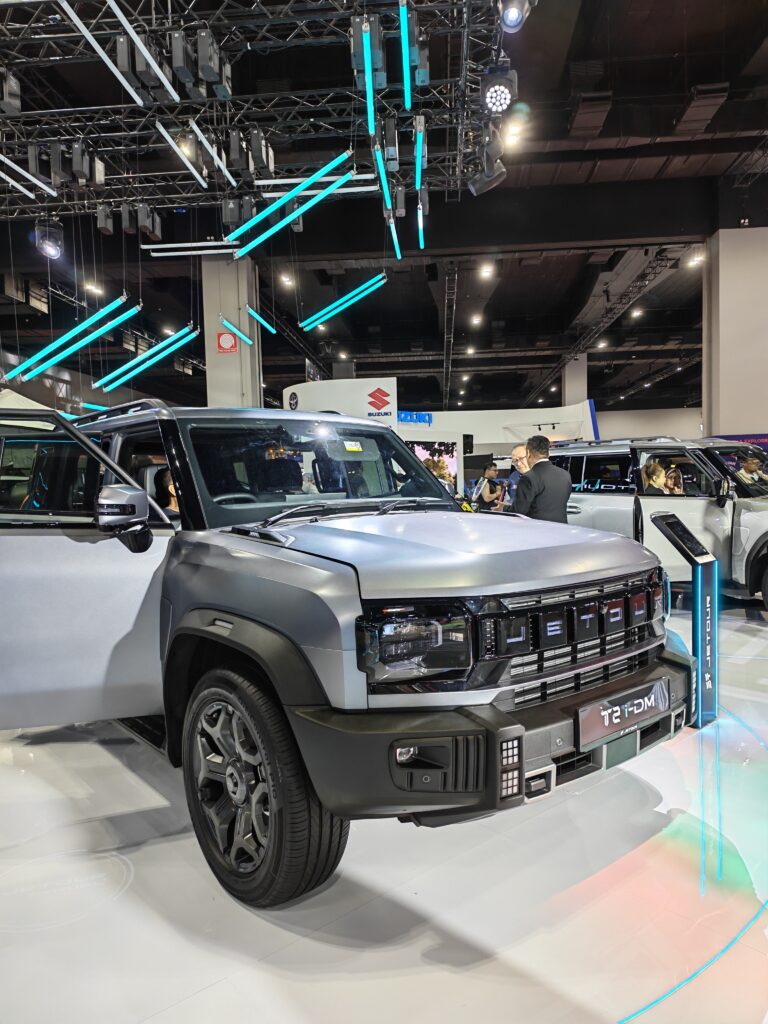
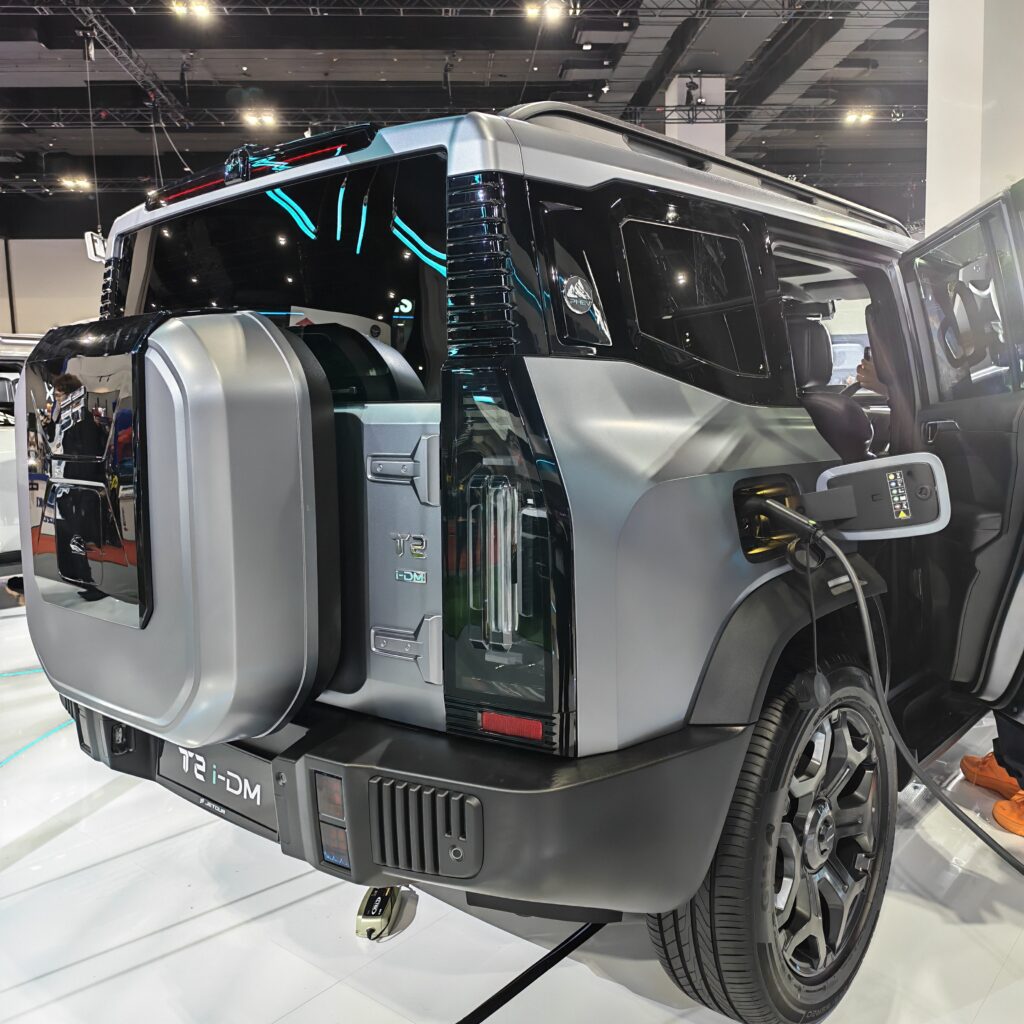
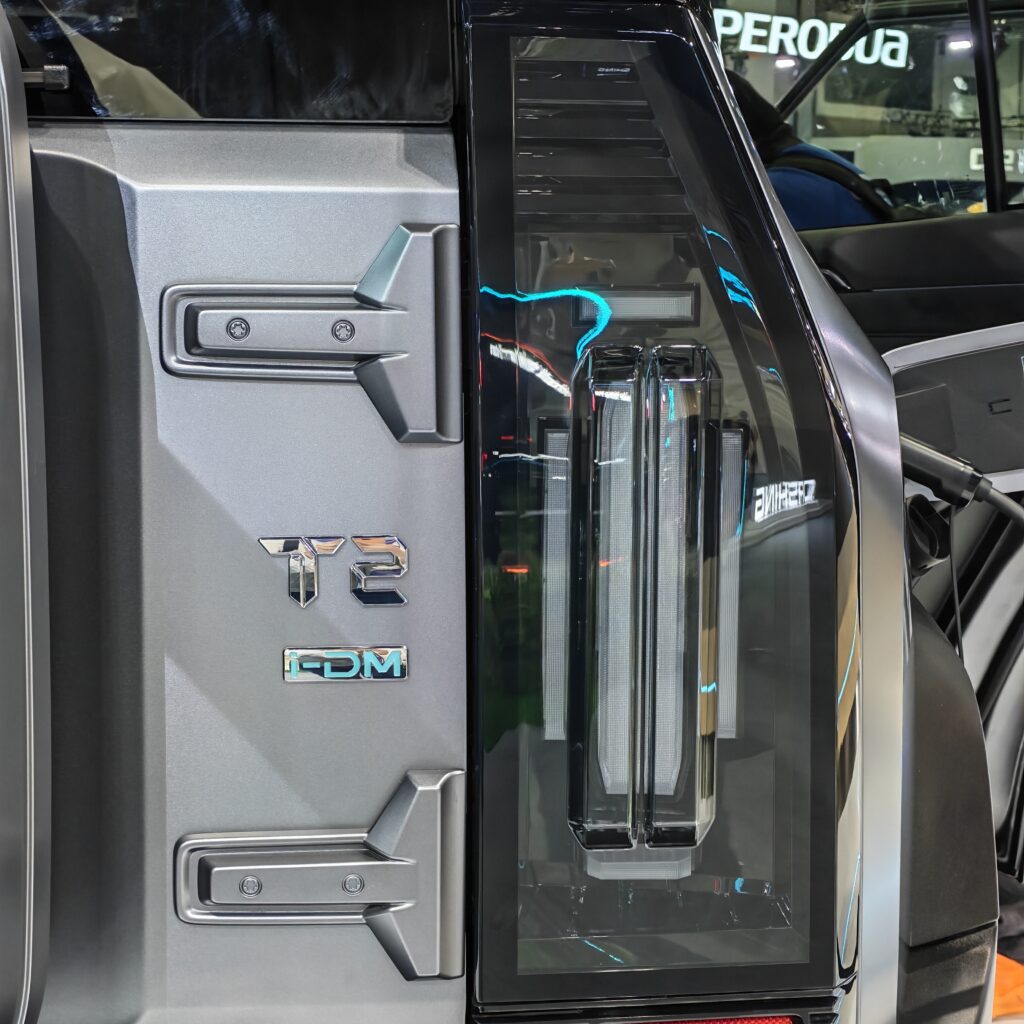
For those who want rugged, old-school off-road utility wrapped in modern hybrid tech, the Jetour T2 i-DM plug-in hybrid is a major highlight. Ditching the soft, aerodynamic curves of standard crossovers, the T2 goes all-in on aggressive, boxy, angular lines with short overhangs designed for actual trail clearance. It looks unapologetically mechanical, punctuated by a prominent rear-mounted gear box and sharp utility accents.
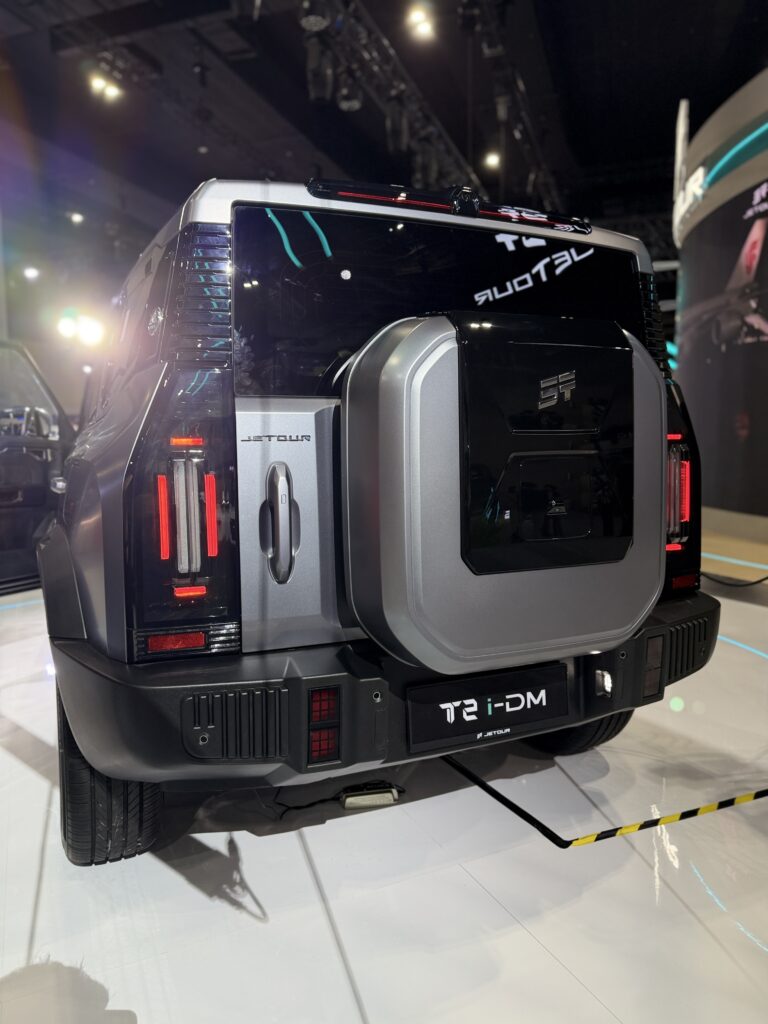

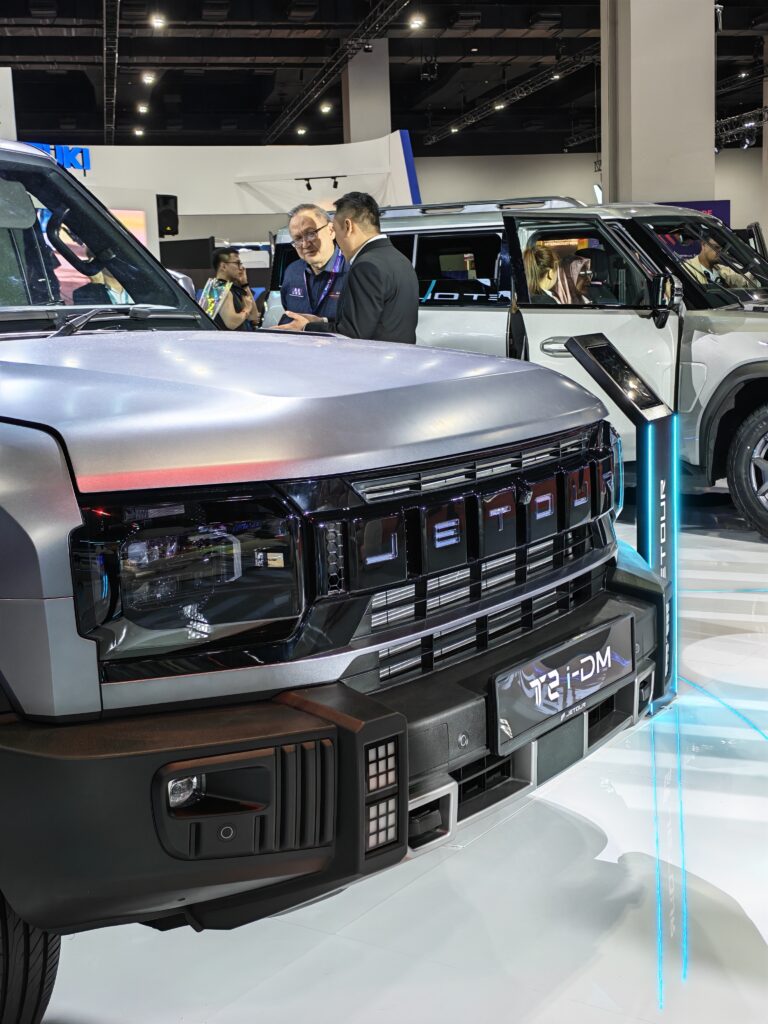
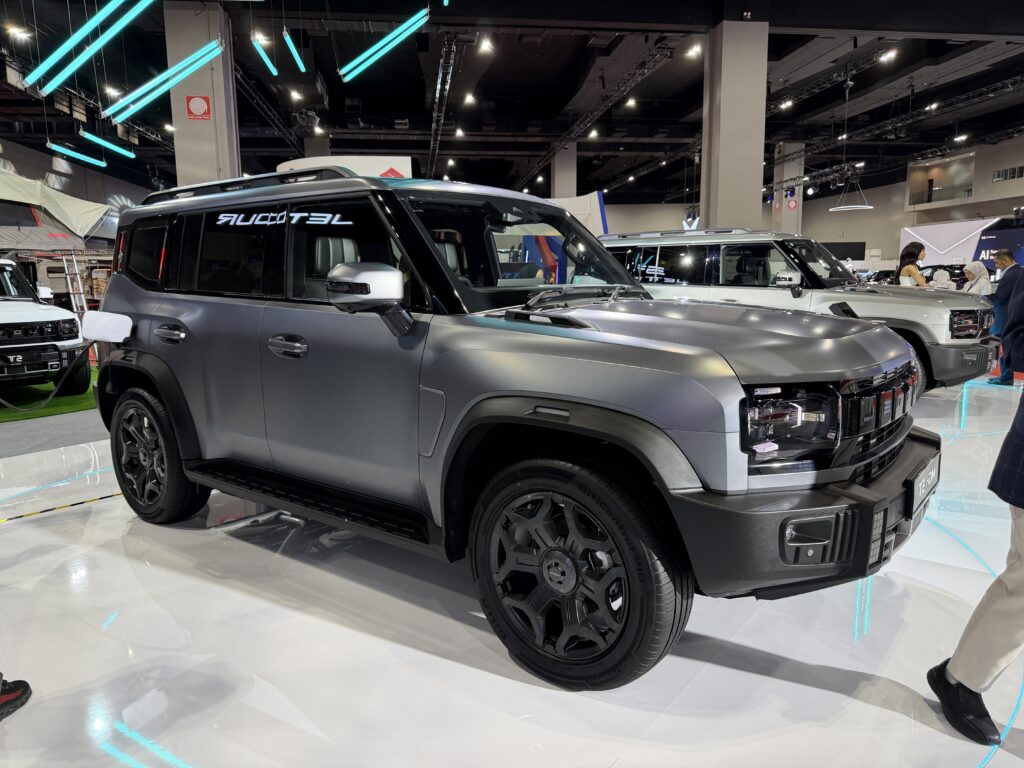
The engineering magic happens within the i-DM (Intelligent Dual Mode) propulsion system. Jetour pairs a 1.5-litre turbocharged petrol engine with two electric motors and a 3-speed Dedicated Hybrid Transmission (DHT). This combination routes a combined 360 hp and a crushing 610 Nm of torque to an advanced electronic all-wheel-drive system. Instead of relying on a simple single-gear setup that loses breath at higher speeds, the 3-speed DHT constantly shifts ratios to keep the engine and electric motors in their absolute peak efficiency bands.

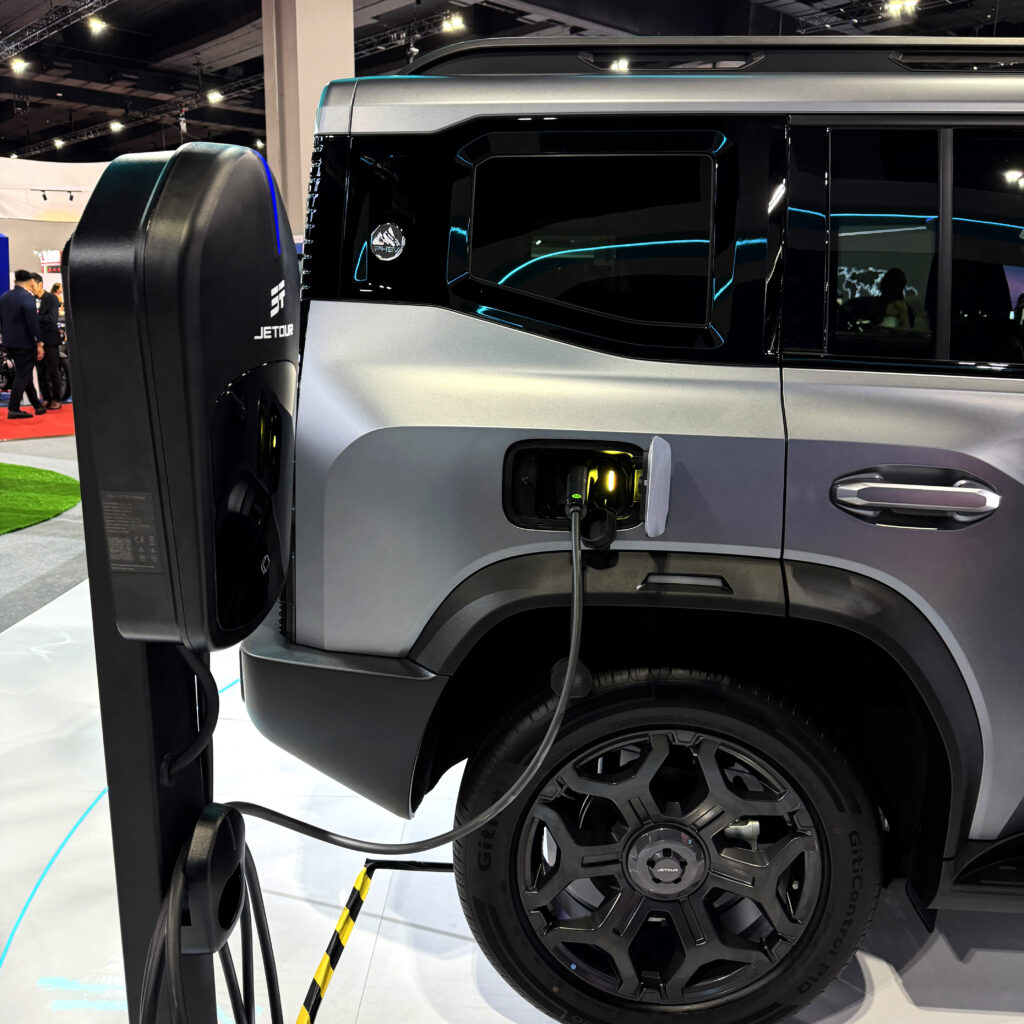
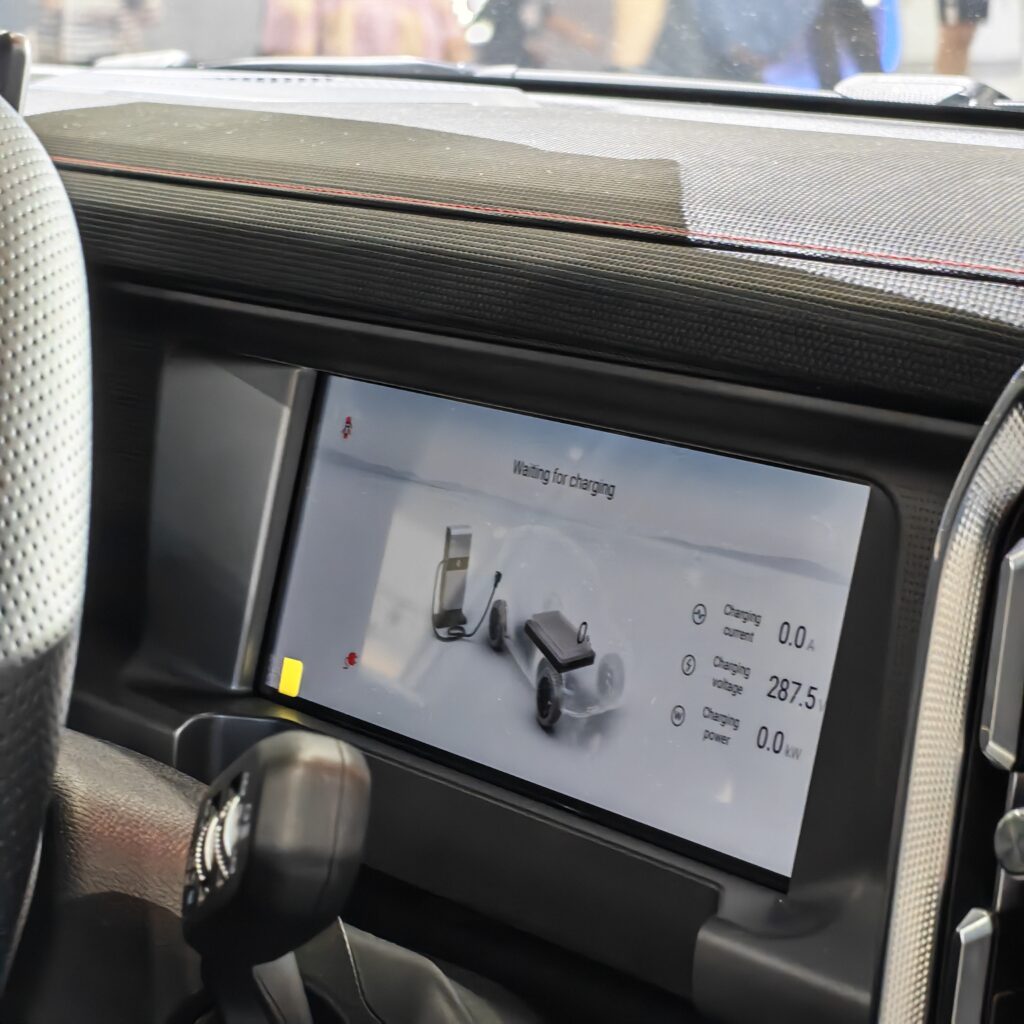
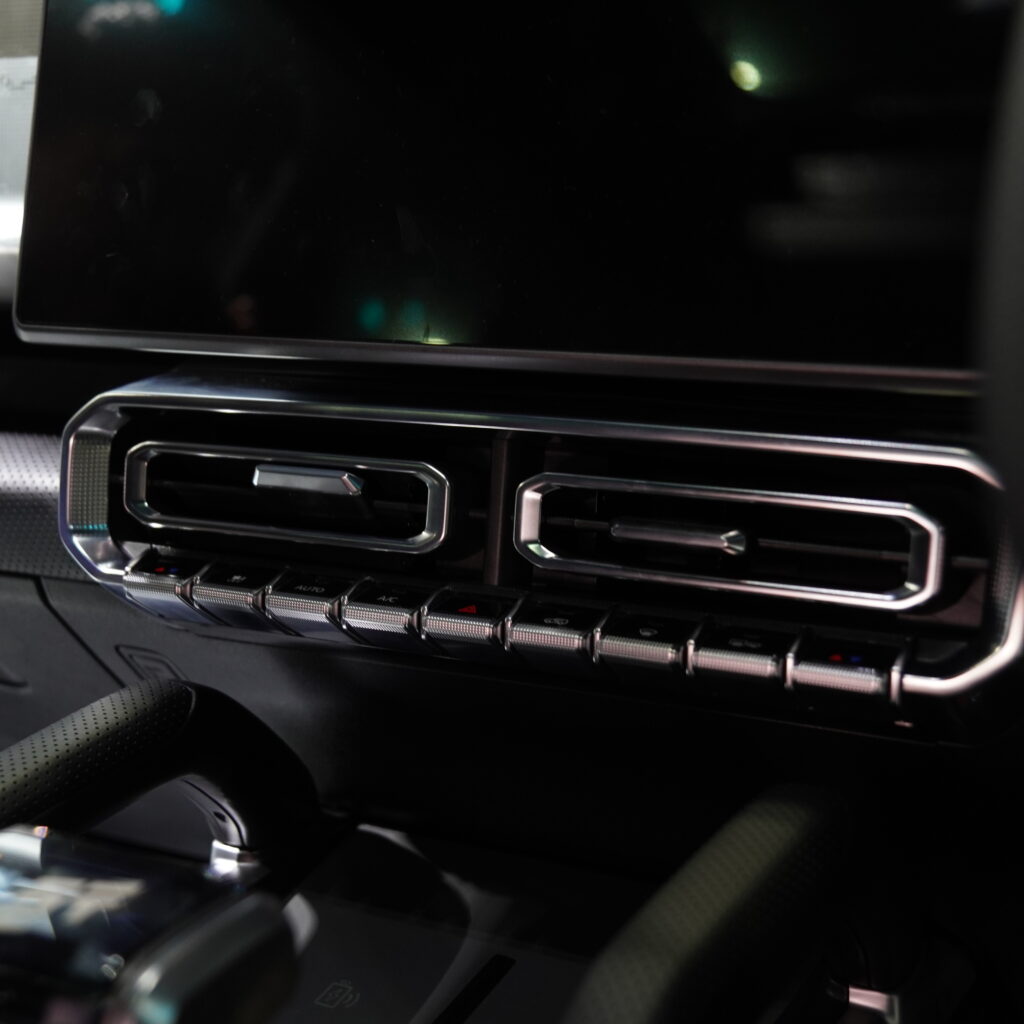
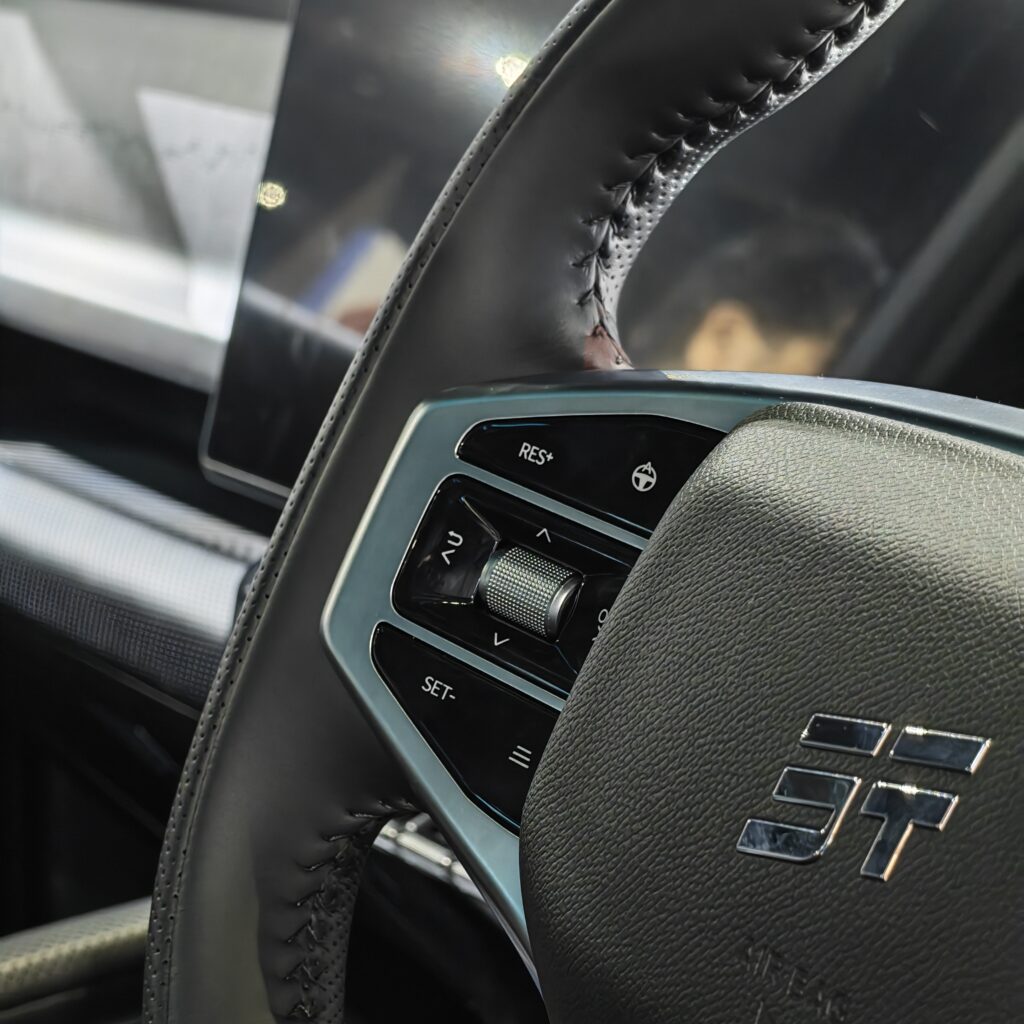
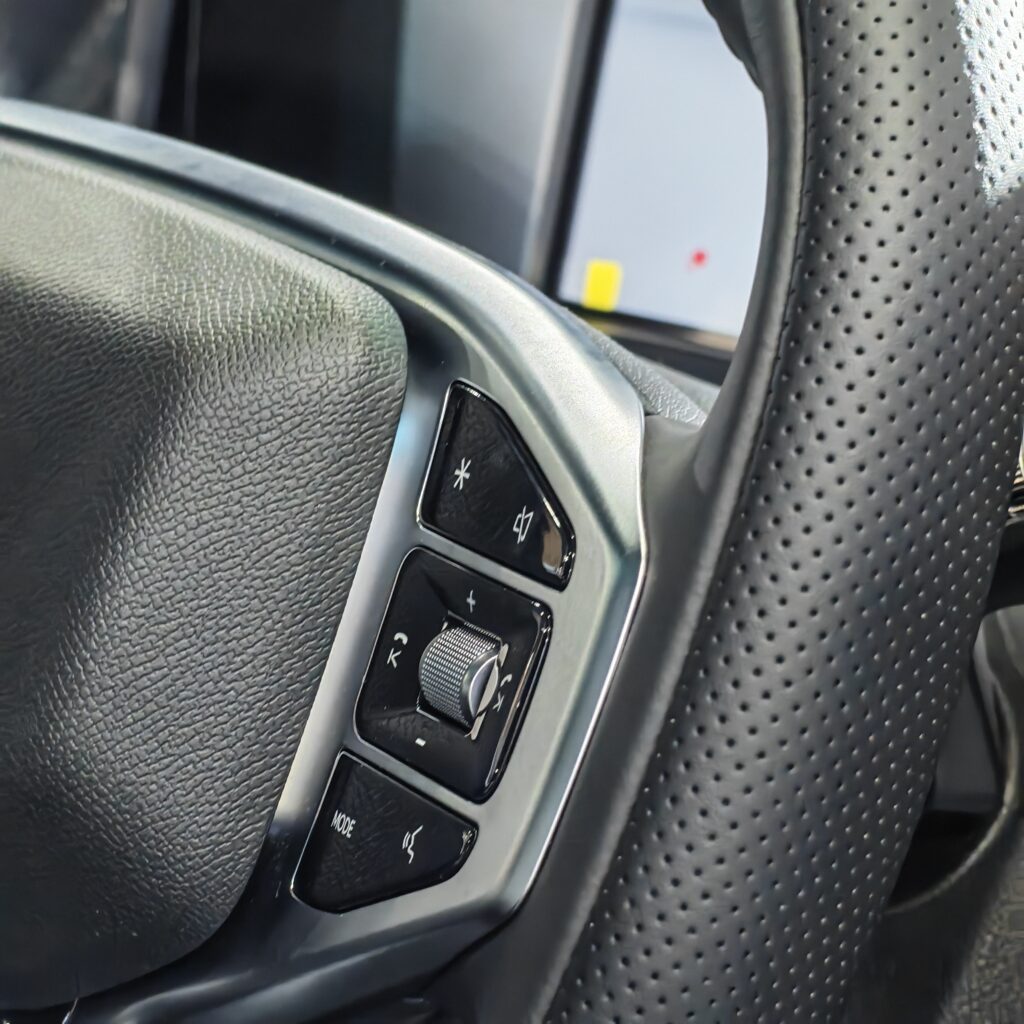
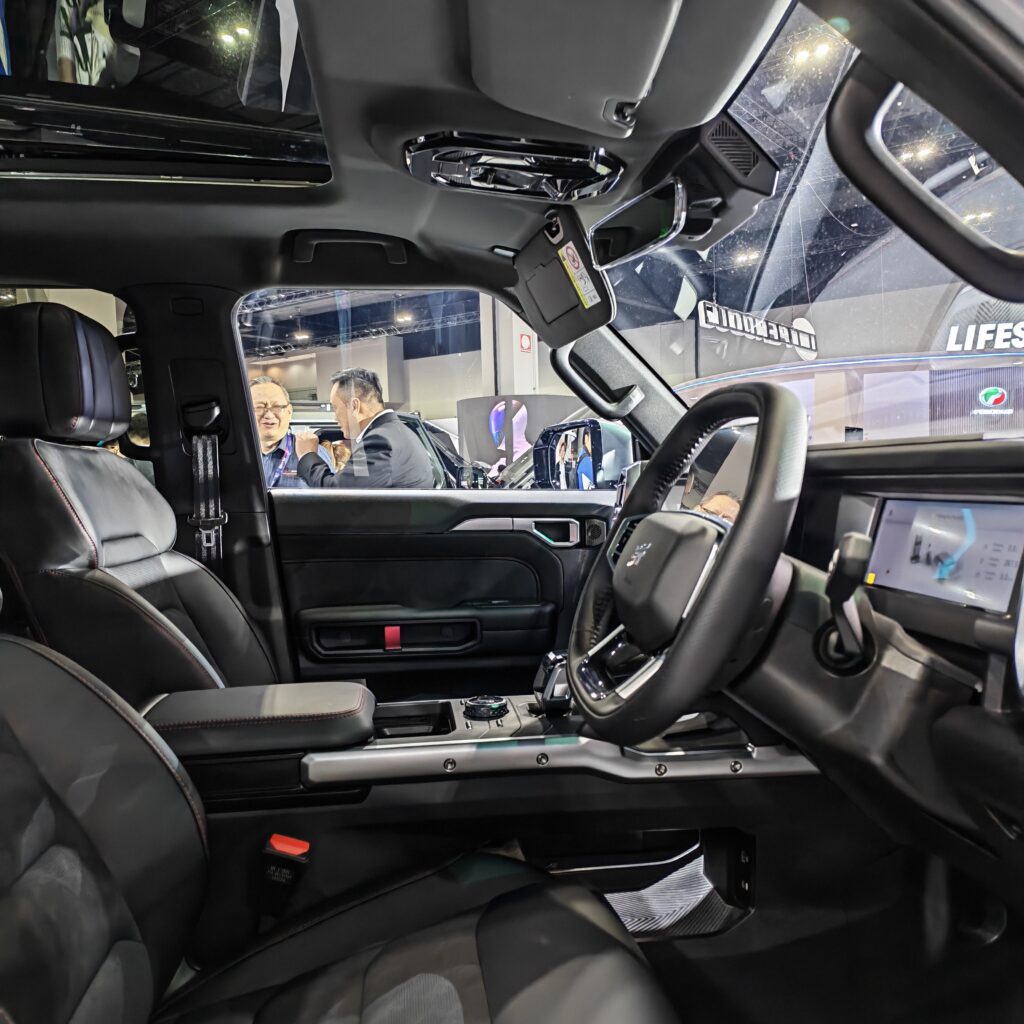
This setup delivers more than 100 km of pure electric driving for daily city commutes, but allows you to fill up at any standard petrol station to unlock a massive total cruising range of 1,200 km. Step inside, and the cyberpunk theme continues with structural exposed grab handles, a faceted crystal gear shift knob, and a highly responsive 15.6-inch central command screen. The infotainment unit runs a dedicated off-road telemetry suite alongside robust Level 2 driver assistance software, proving that rugged trail vehicles no longer need to feel low-tech.




5. The Premium Urban Disruptor: Zeekr X 2026
Estimated Price Range: RM160,000 to RM180,000 (Bookings open)

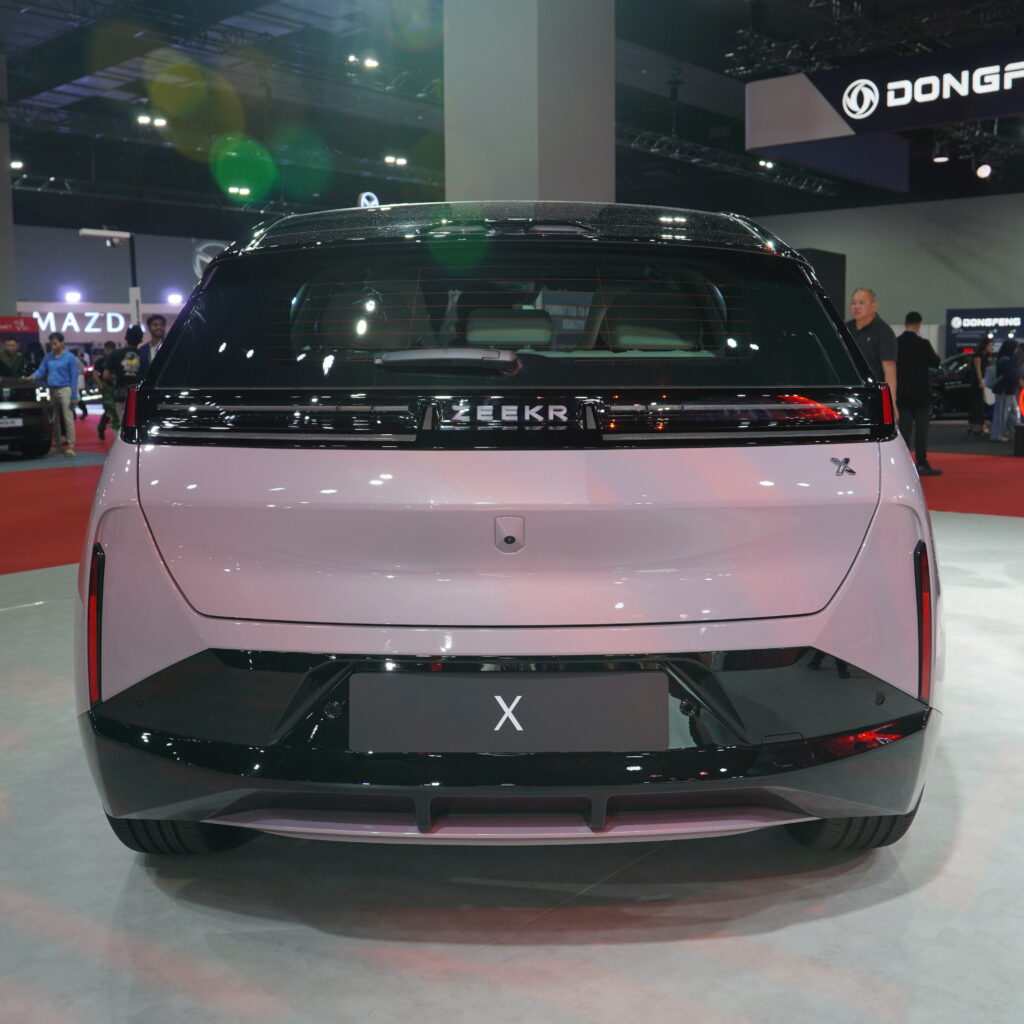
Closing out our top five is the refreshed 2026 Zeekr X. While its older sibling, the 009 Grand, targets the boardroom elite, the updated X aims squarely at the urban tech adopter. Zeekr took their compact premium crossover and quietly upgraded the exact elements that enthusiast buyers care about, focusing heavily on cabin functionality and powertrain efficiency.
The headline news for the 2026 model year is a major powertrain refresh. The entry-level single-motor Premium variant sees its rear motor bumped up to 340 PS (250 kW), while the dual-motor Flagship AWD variant gets cranked up to a staggering 496 PS and 573 Nm of torque. This mechanical upgrade drops its century sprint down to a brief 3.7 seconds. To sweeten the deal for the local market, high-end lifestyle features that were previously optional like automatic touch-free front power doors and a built-in central armrest refrigerator have now been made standard equipment across the entire model lineup.


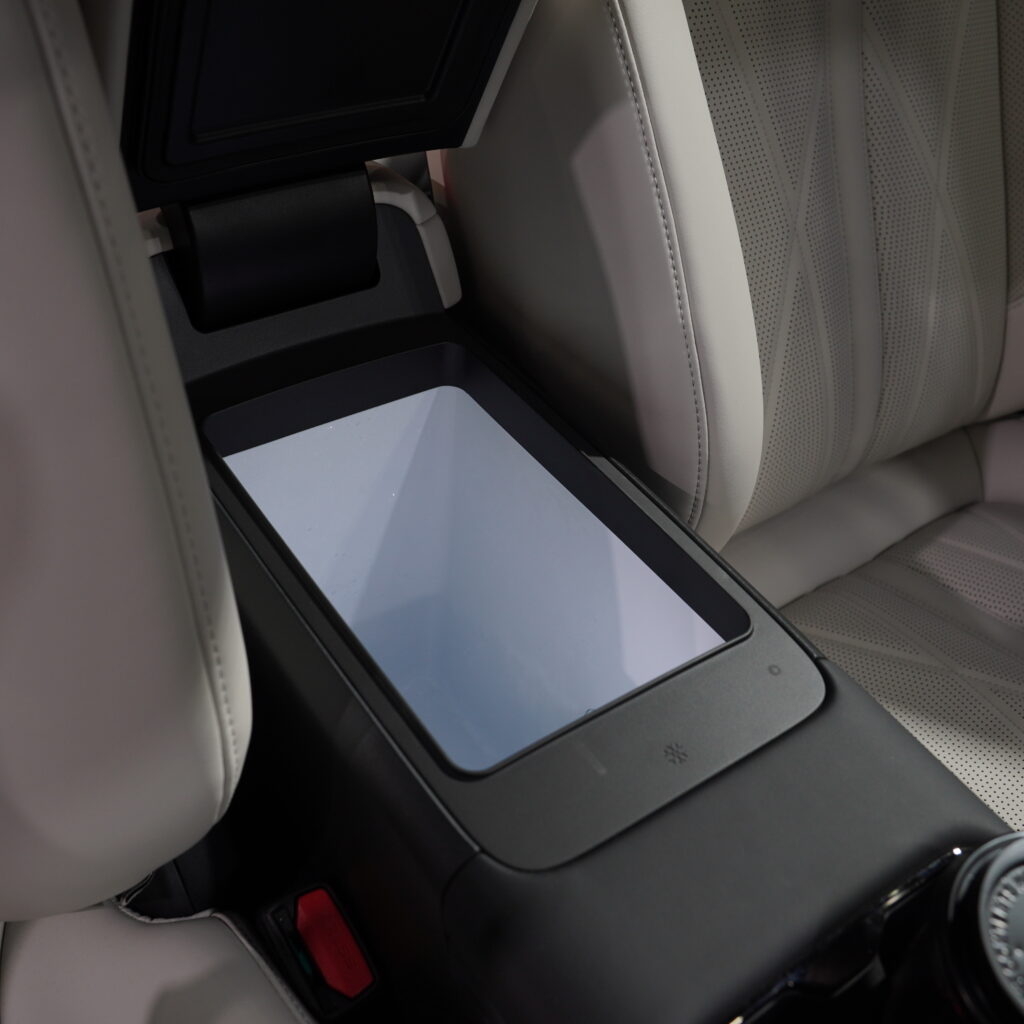

The electrical architecture sees serious hardware maturation too. The entry-level RWD model introduces an overhauled battery management system capable of accepting up to 230 kW DC fast-charging, slicing the 10-to-80 percent top-up time down to a mere 18 minutes. Meanwhile, the Flagship AWD variant receives a faster 22kW onboard AC charger, allowing owners to complete a full 0-to-100 percent home charge in just four hours. It stands out as a highly polished example of how rapidly premium EV hardware is evolving.
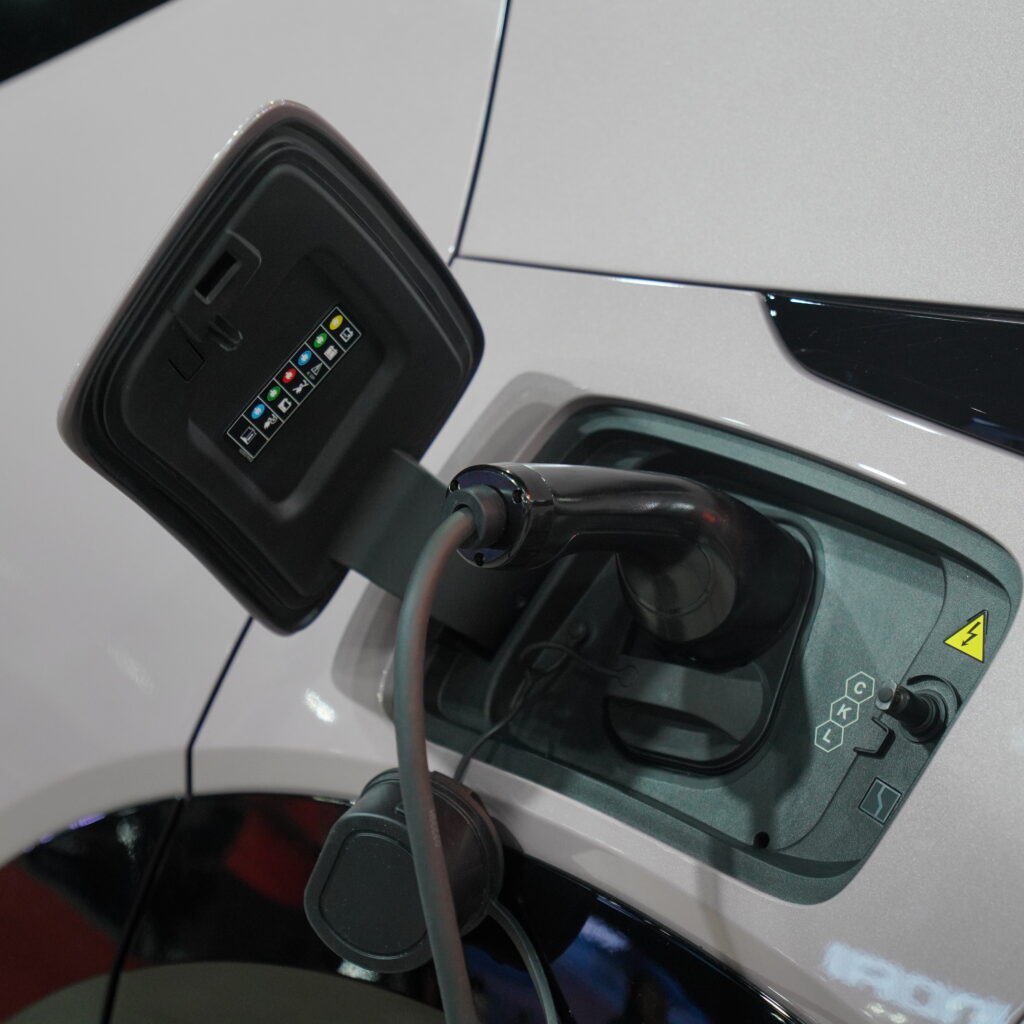
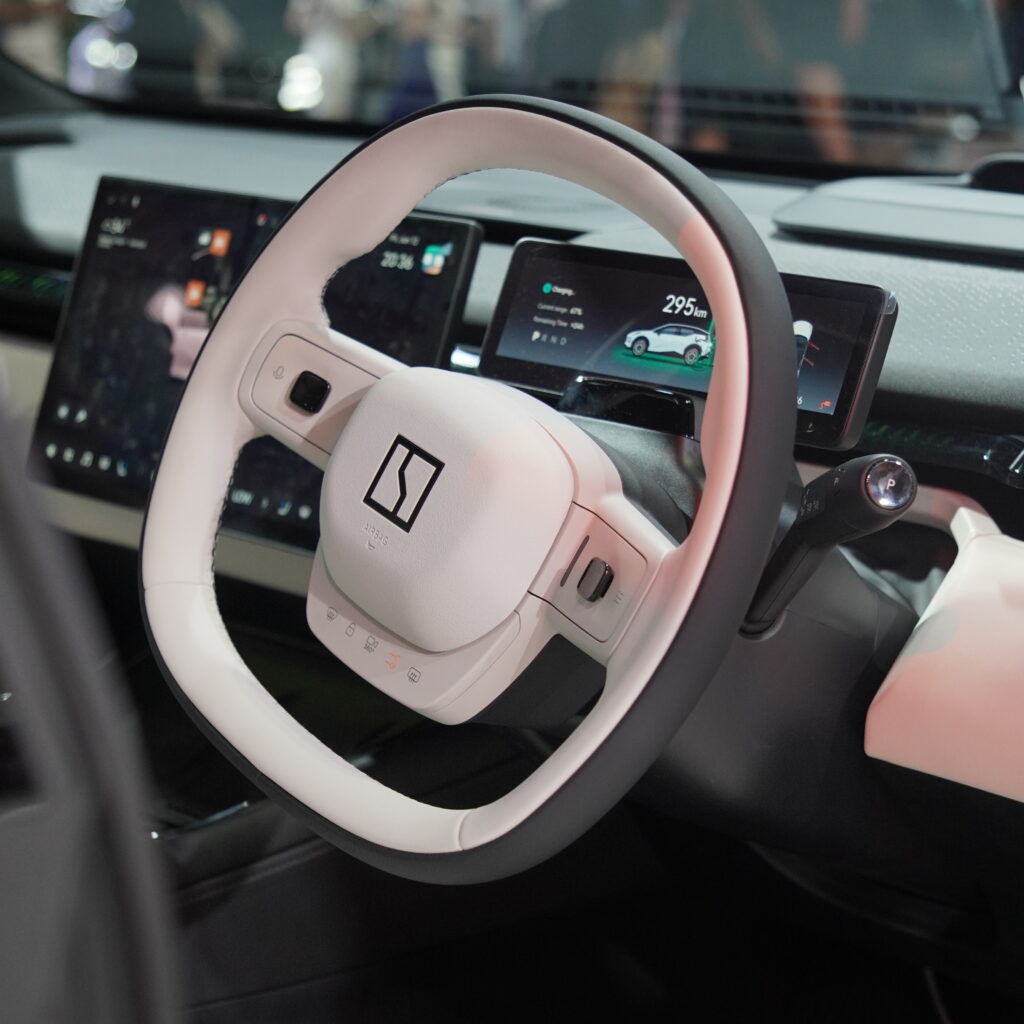
The mobile-sync capabilities have also matured significantly for 2026. Running on an upgraded Zeekr OS platform, the car features full, uncompromised wireless Android Auto and Apple CarPlay mirroring that spreads beautifully across its crisp central display. The Zeekr companion app offers deep smartphone hardware cohesion, letting you check real-time charging status, adjust the interior refrigerator temperature, and utilize your phone as a proximity-based digital key that automatically unlocks the touch-free doors as you walk up to the vehicle.


National Special Shoutouts: The Home Turf Heroes
You cannot leave MITEC without checking in on our homegrown brands, because both Proton and Perodua brought massive, forward-looking tech to this year’s show.
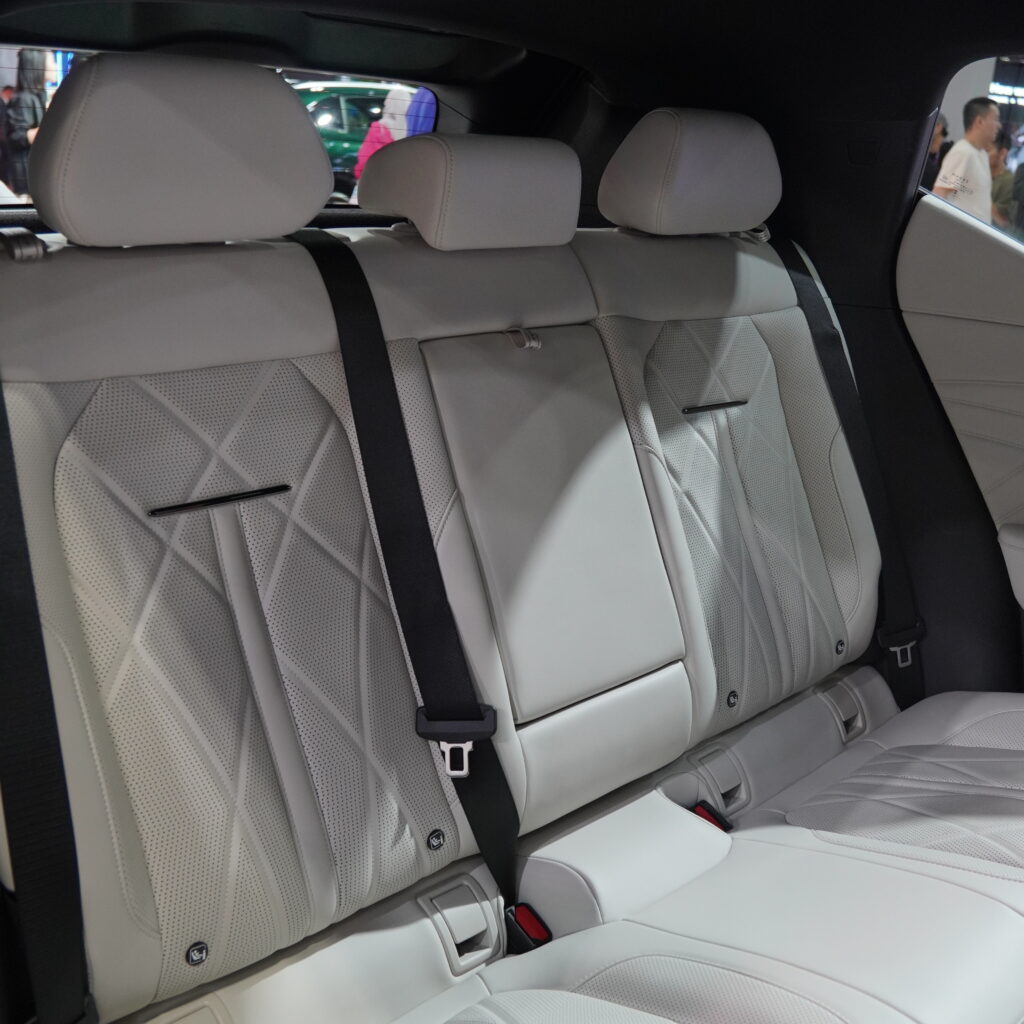
Proton e.Mas 7 Premium Plus
Official Price: RM118,800 (Special Launch Price; standard RRP RM125,800)

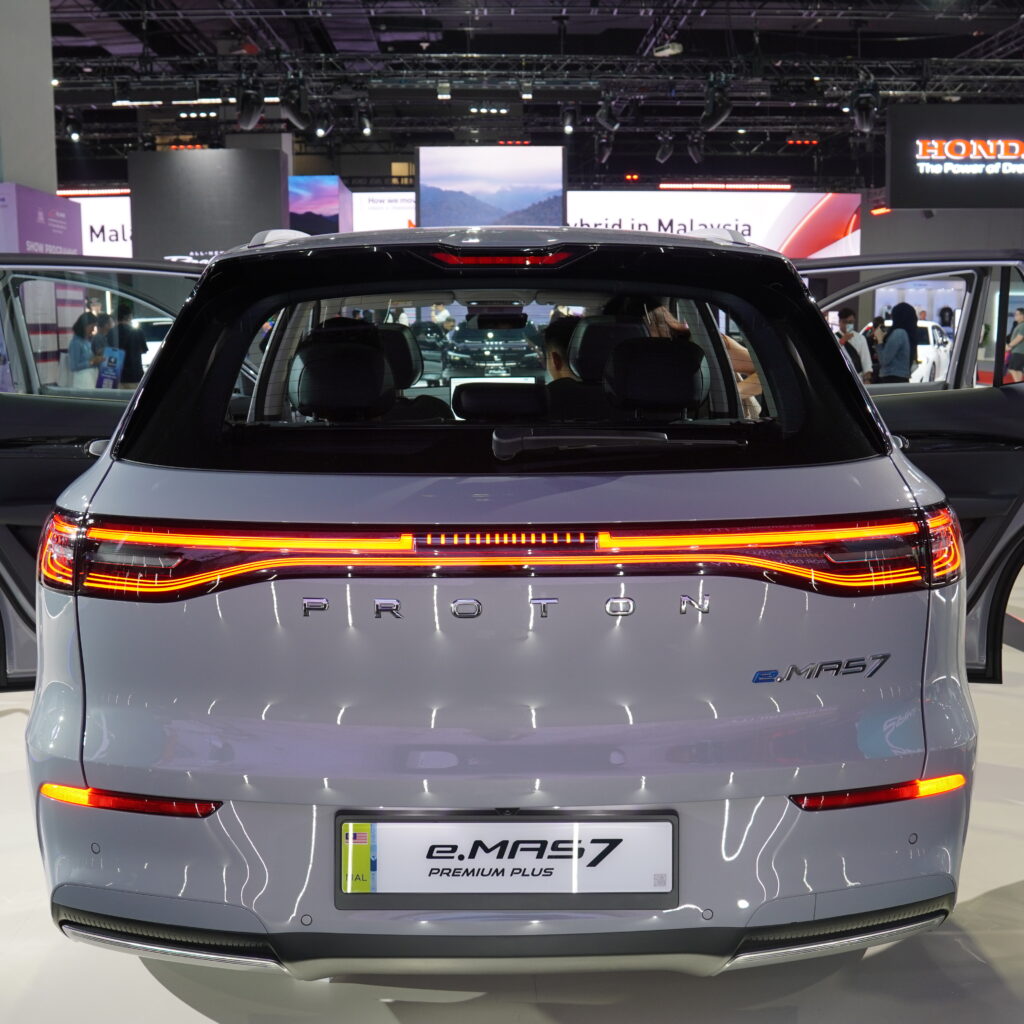
Over at the Proton pavilion, the star of the show is the freshly unveiled Proton e.Mas 7 Premium Plus. This isn’t a mere concept; it’s a fully realized, top-of-the-line execution of their landmark EV platform that brings features usually reserved for luxury European marques straight down to the mass market. The Premium Plus variant takes center stage by packing a larger 68.39 kWh Aegis Short Blade LFP battery pack, pushing its WLTP-certified driving range to a solid 450 km. It also introduces a slightly bumped 115 kW DC fast-charging capacity, maintaining a rapid 20-minute top-up time from 30 to 80 percent despite the larger energy capacity.
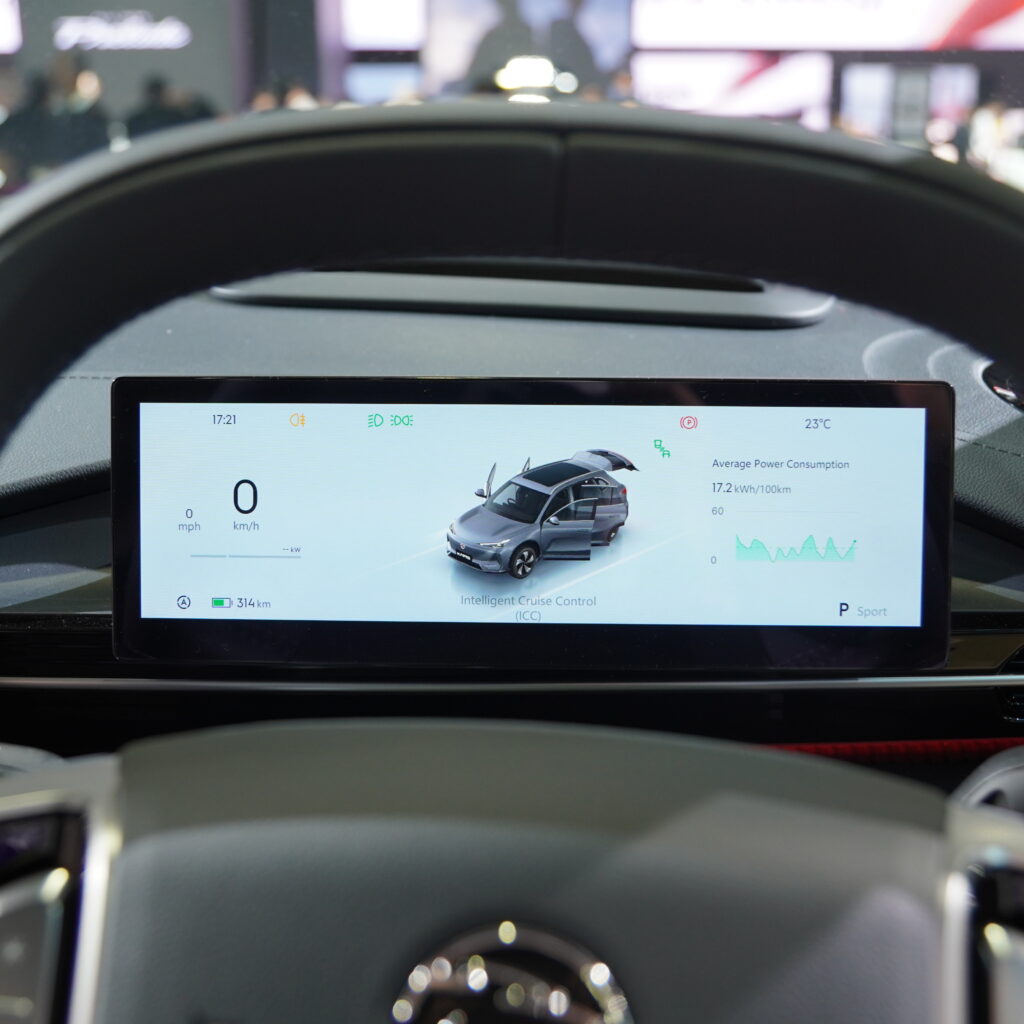
The crown jewel of its cabin tech is the highly anticipated Flyme Auto infotainment architecture running on a massive 15.4-inch touchscreen. Unlike many regional systems that restrict users to proprietary software, Proton’s Flyme Auto OS natively supports wireless Apple CarPlay and Android Auto right out of the box. It bridges the phone-to-car ecosystem gap perfectly, mirroring your navigation and streaming apps smoothly while allowing the vehicle’s onboard AI voice assistant to interact with your synced phone contacts and notifications natively.


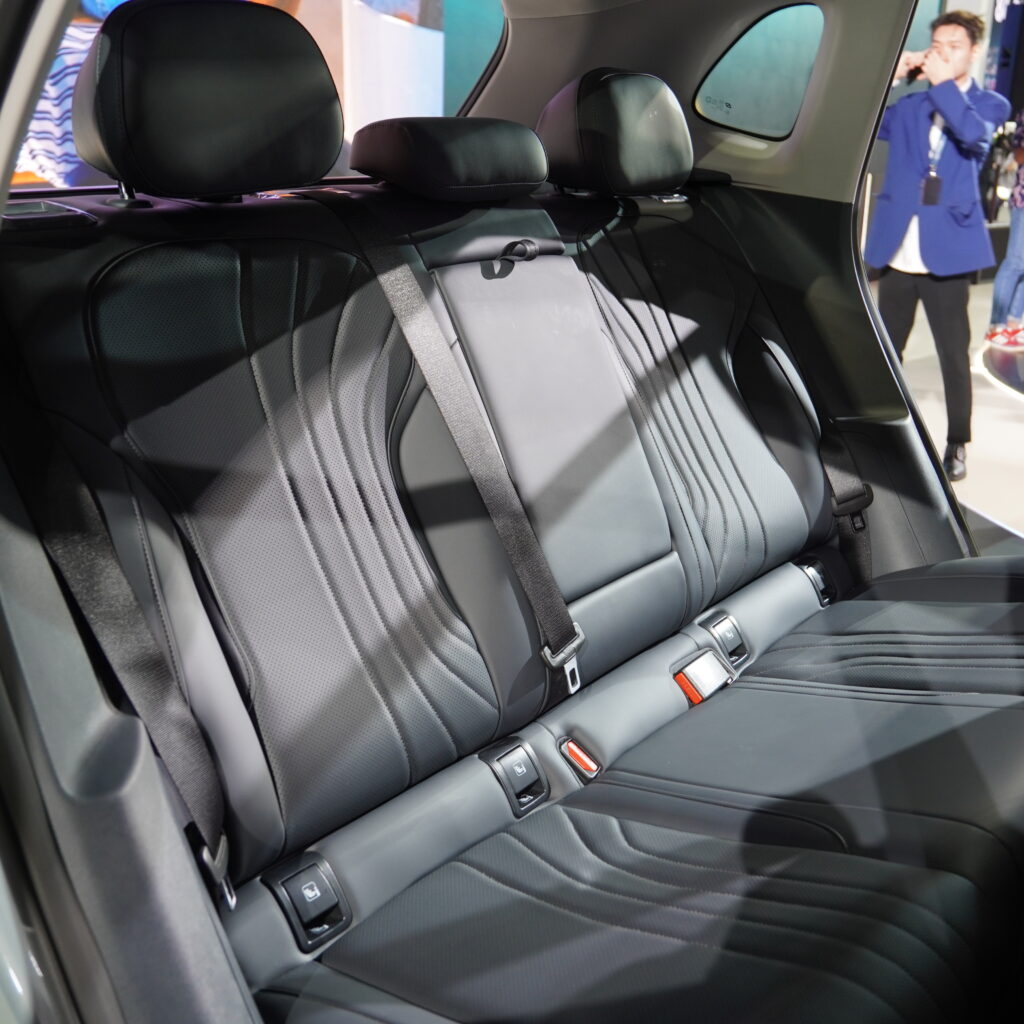
Furthermore, Proton has drastically leveled up cabin comfort by turning the front row into a legitimate relaxation suite. The vehicle introduces built-in dual front massage functions seamlessly integrated right into the ventilated seats, controllable directly through the touchscreen display settings. Even more impressive is the front passenger seat upgrade, which now boasts an integrated, extendable leg rest that can be mechanically reclined up to 50 degrees alongside dedicated 4-way power adjustments and memory settings. By combining a 450 km long-range battery architecture with premium executive seating luxuries, Proton is effectively throwing down the gauntlet, proving that an accessible national EV can feel every bit as indulgent as a high-end rolling lounge.


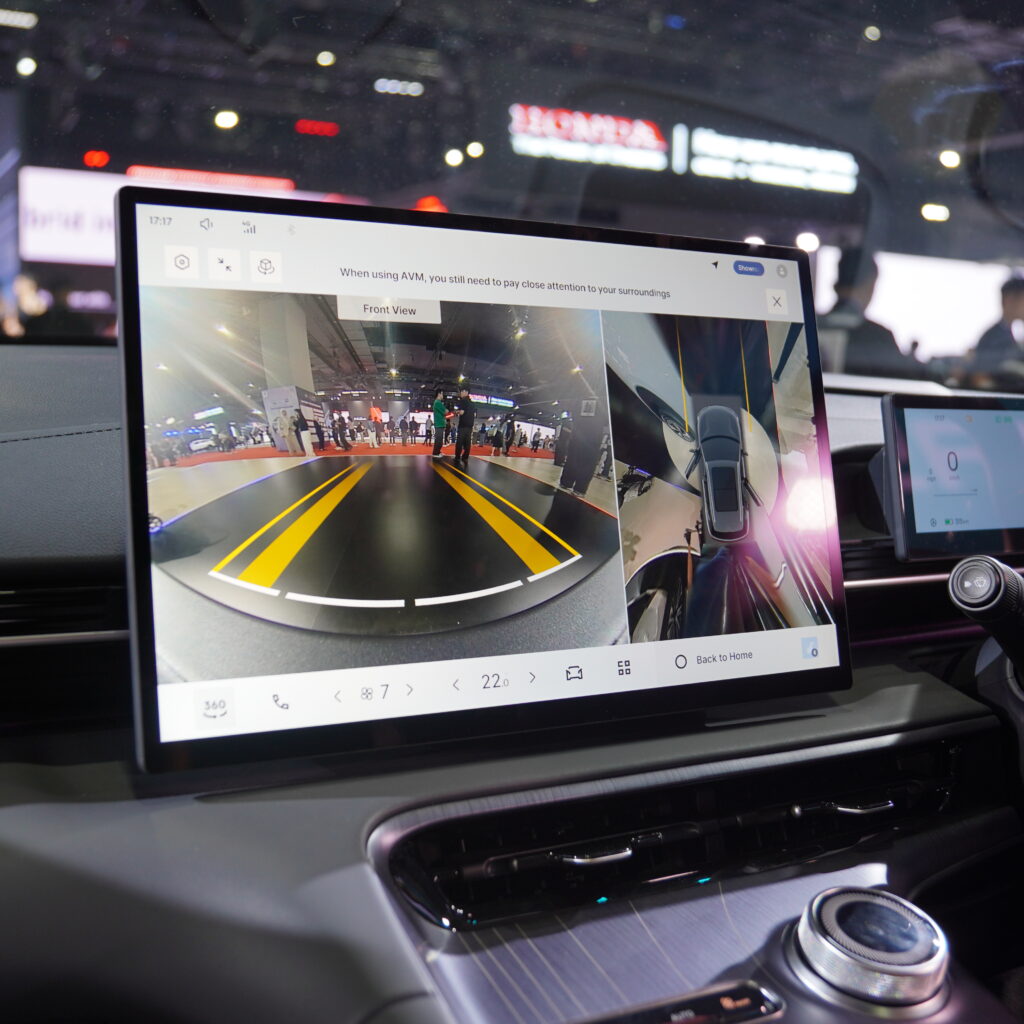
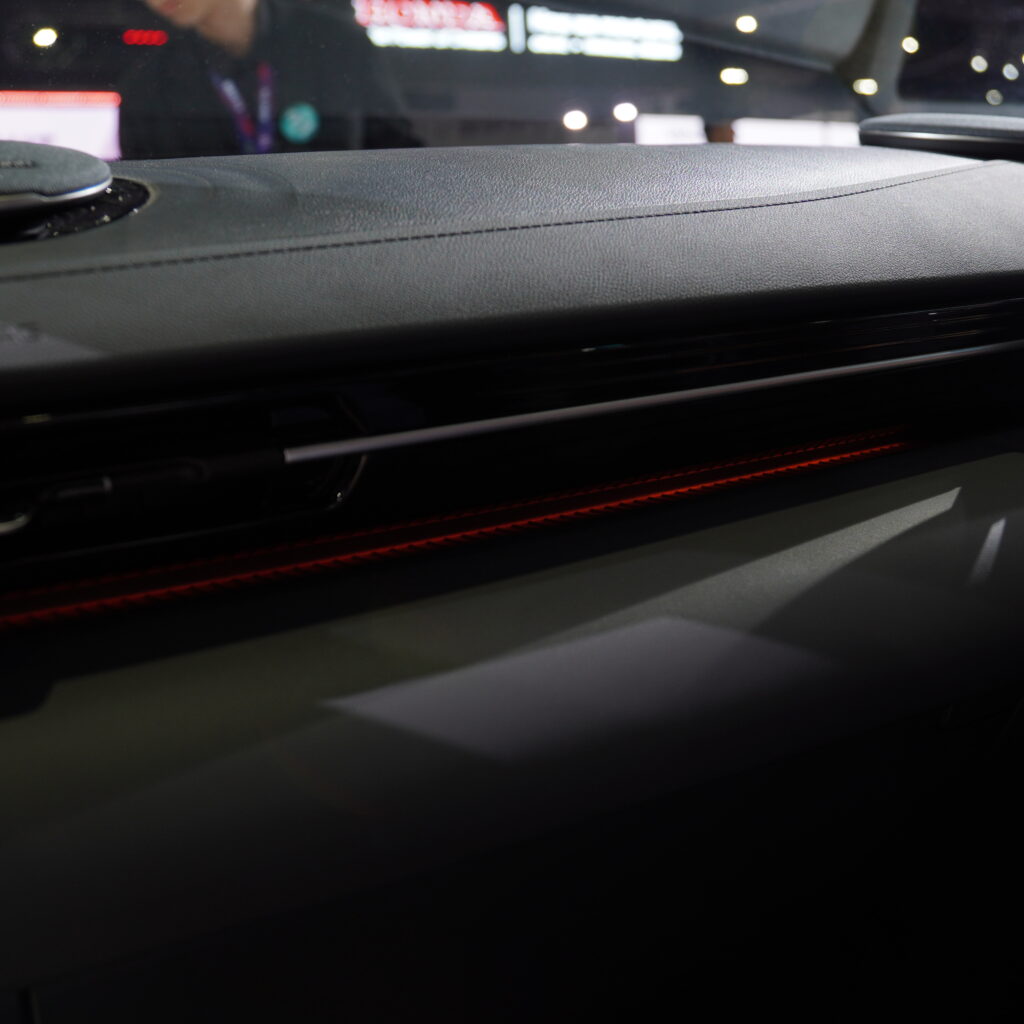


Perodua C2 Concept Car
Status: Future Platform Preview
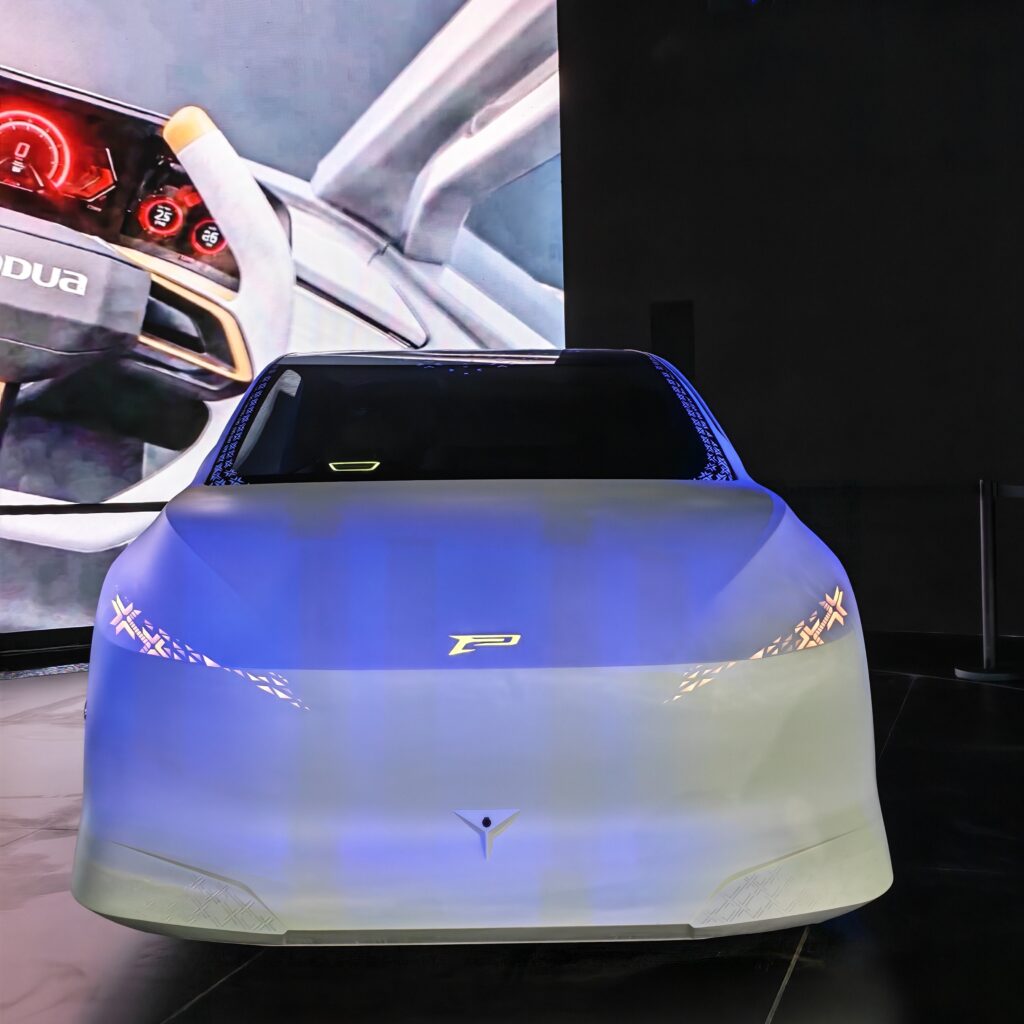
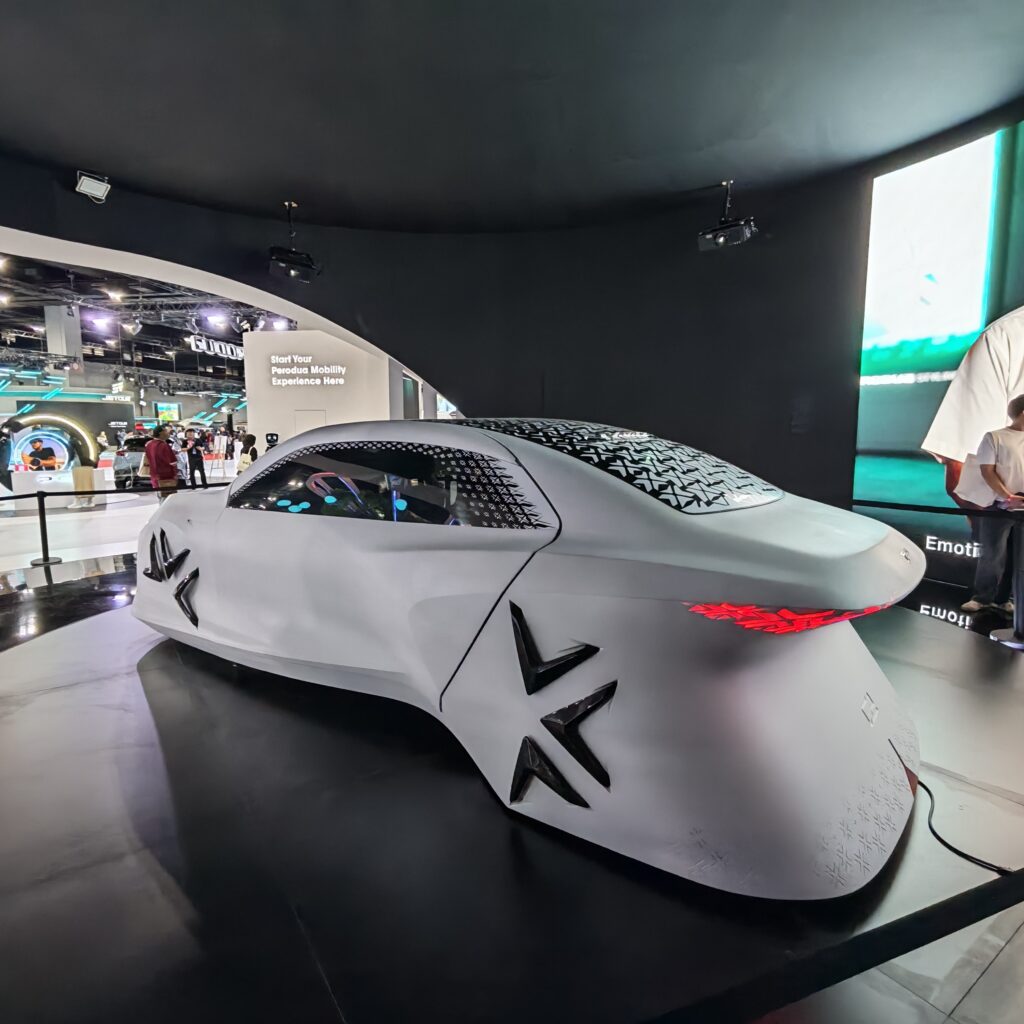
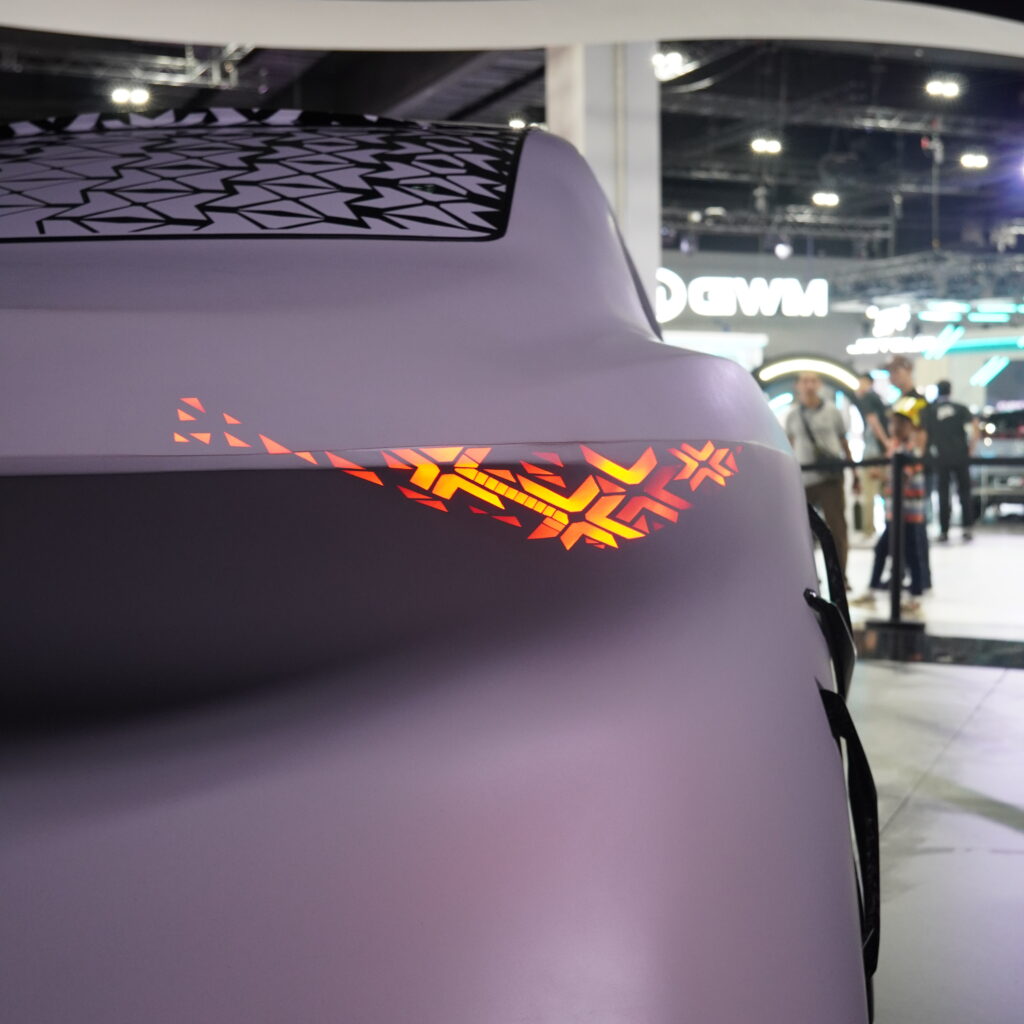
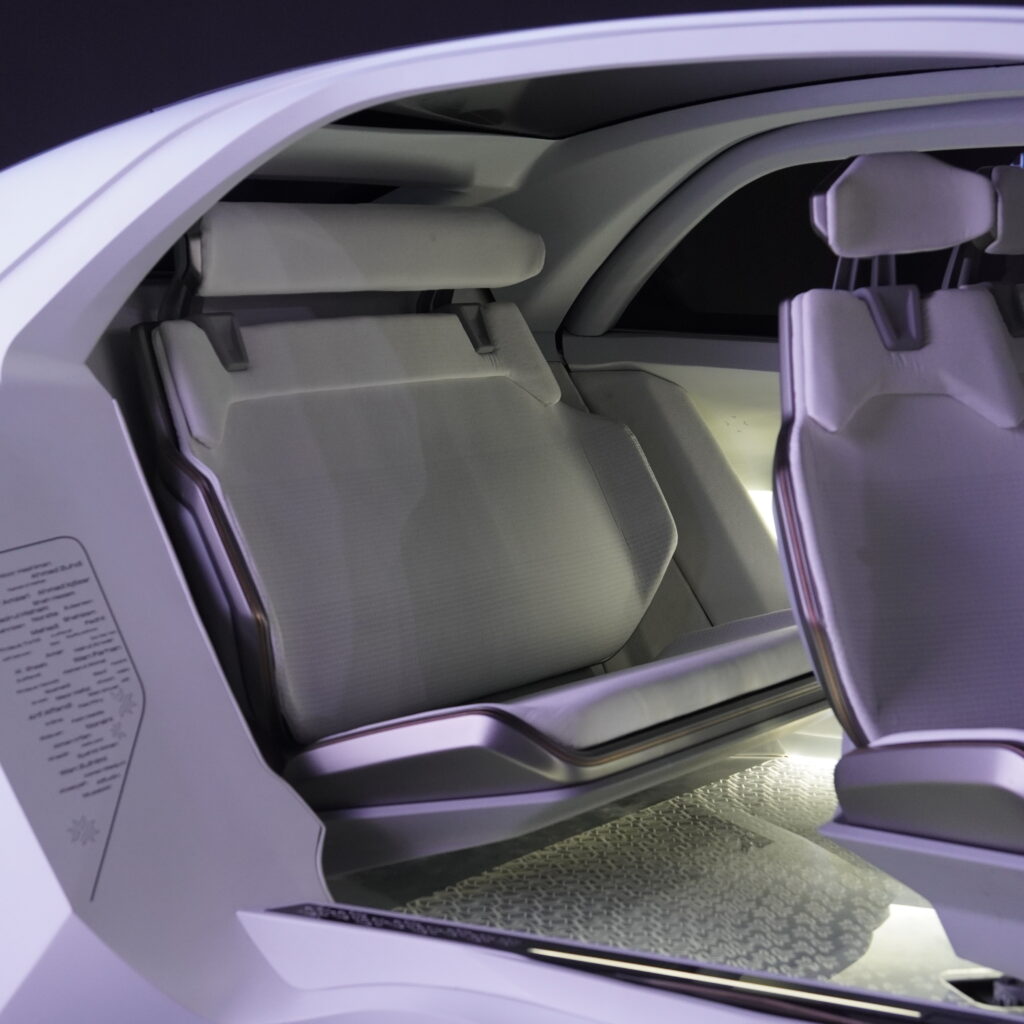
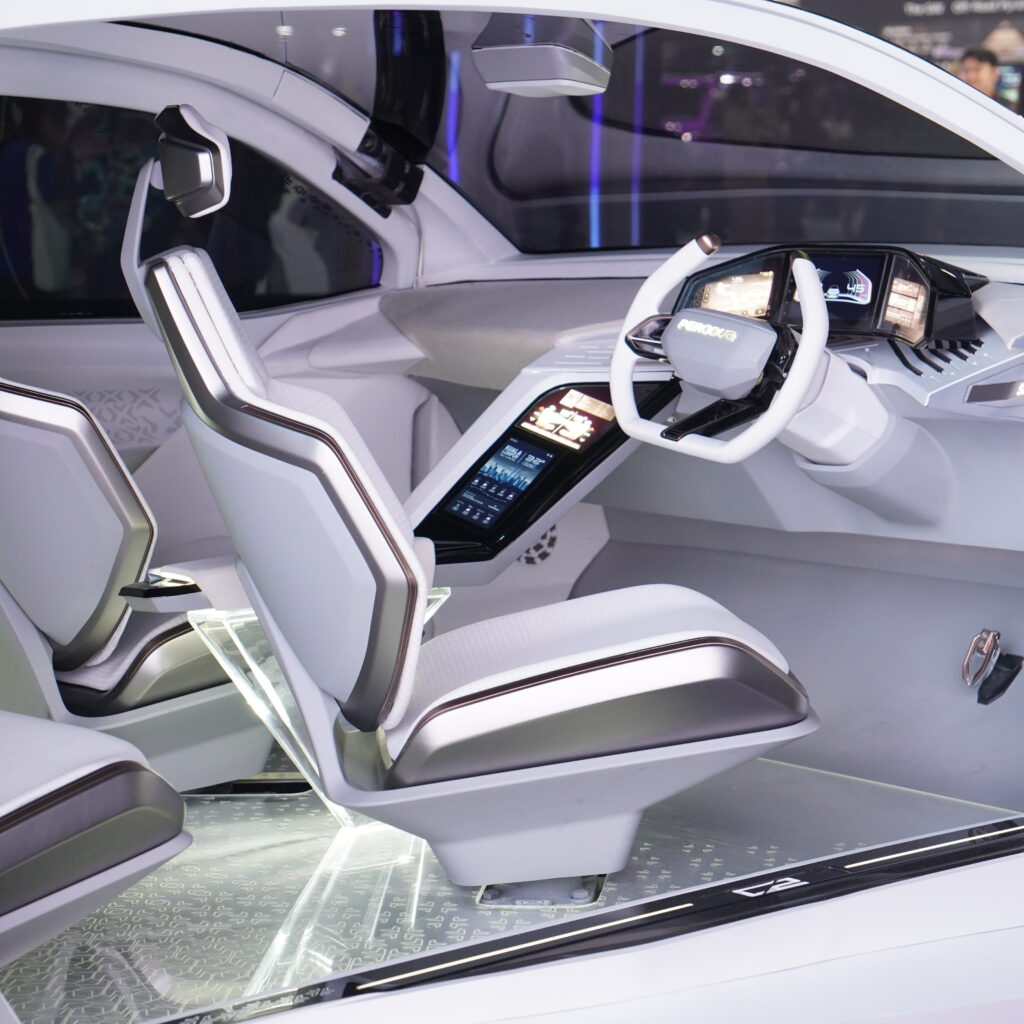
Perodua provides the ultimate crowd-pleaser with the Perodua C2 Concept Car (short for ‘Chapter 2’). Following the launch of their first commercial EV, the QV-E, which utilizes a unique Battery-as-a-Service monthly subscription model, the C2 represents a radical new design language for the national brand. Inspired by Malaysia’s tech-native Alpha and Beta generations, this B-segment prototype moves away from traditional hatchback shapes into a futuristic, wedge-like sleek sedan or fastback silhouette.
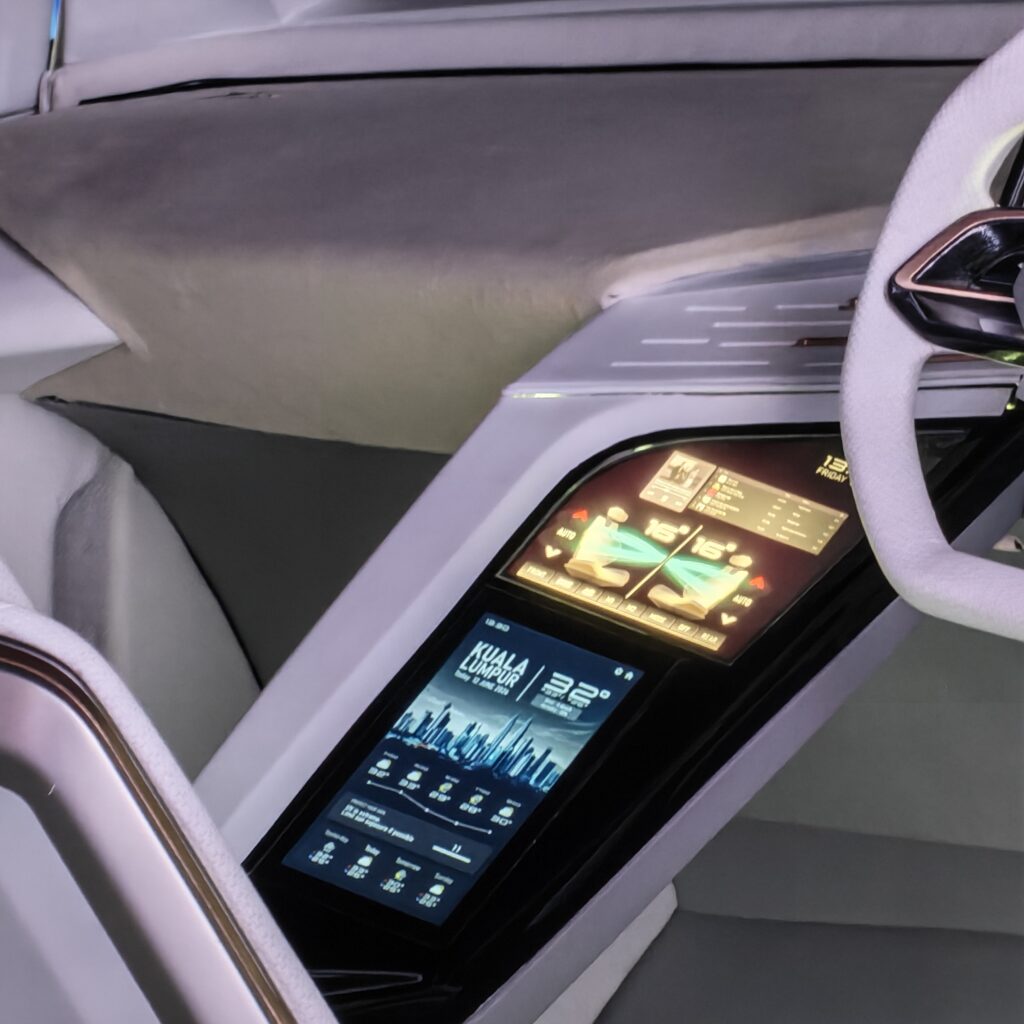
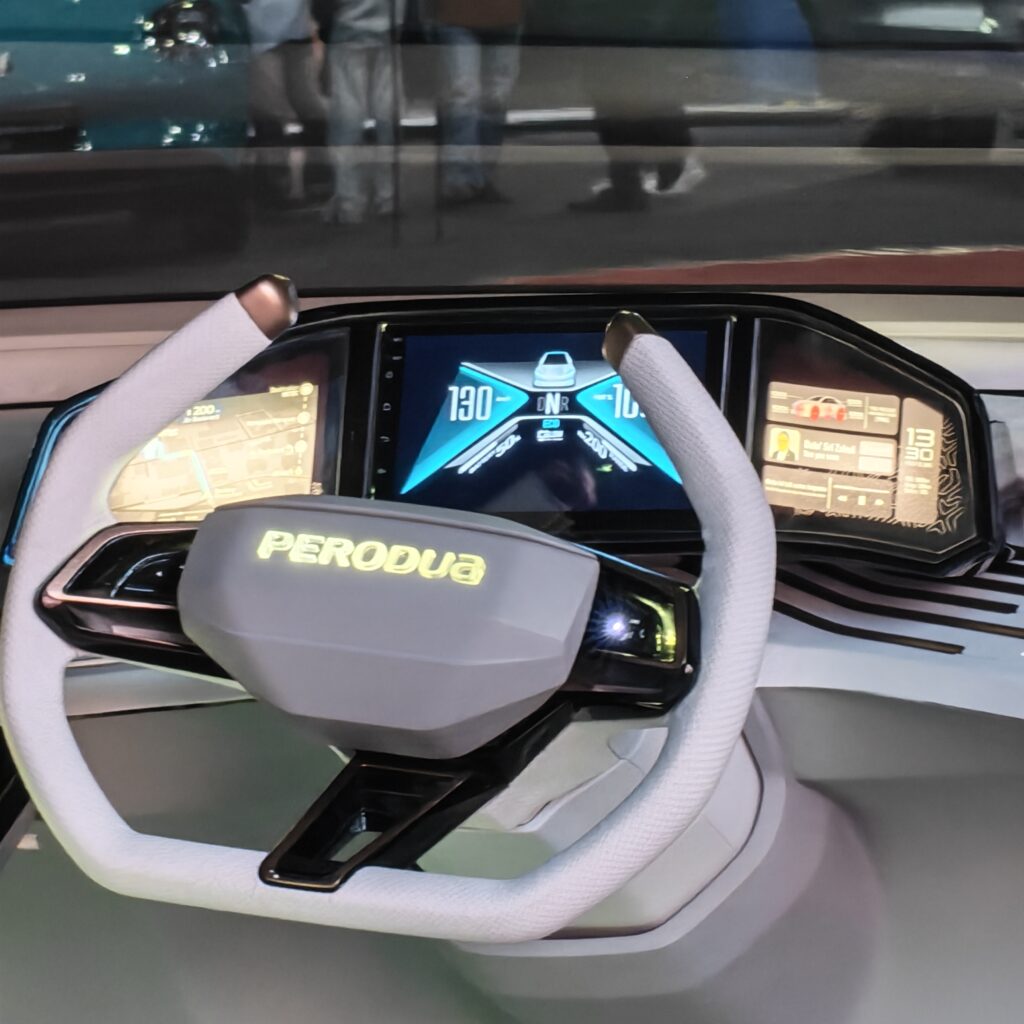
The interior of the C2 is a radical exercise in minimalism, sporting a futuristic semi-yoke steering wheel, a floating center console, and touch-capacitive controls. More importantly, underneath this bold styling is a brand-new highly flexible modular platform developed in collaboration with technical partner Magna Steyr. This architecture features a variable wheelbase ranging from 2,550 mm to 2,700 mm, allowing it to natively support full Battery Electric (BEV), conventional Hybrids, or Range-Extended Electric Vehicles (REEV) across future vehicle lines.
On the software front, Perodua has deeply integrated its prototype with its upcoming P-Circle super-app ecosystem. This connects the vehicle directly to AI-assisted driving features, automated parking algorithms, secure digital e-wallets, and real-time charging station networks. While features like the yoke wheel are purely conceptual, the underlying modular chassis and app ecosystem give us a very clear, concrete preview of what to expect from Perodua’s mass-market vehicles by 2028.


Check out KLIMS 2026!
If you’re a tech head or a driving purist, you absolutely owe it to yourself to experience these automotive masterpieces in the metal. The Kuala Lumpur International Mobility Show (KLIMS 2026) is running from now until this Sunday, 21 June 2026, located at the Malaysia International Trade and Exhibition Centre (MITEC) in Kuala Lumpur.
Opening hours are from 10:00 AM to 8:00 PM on weekdays (Monday to Thursday), and extended from 10:00 AM to 10:00 PM on Fridays, weekends, and public holidays.
Admission is priced at RM30 for adults and RM15 for senior citizens, while entry is completely free for children aged 12 and below. If you want to maximize your savings, plan your visit during the week because the entry is entirely free from Monday to Thursday, provided you pre-register online. If you are rolling through with your car club crew or planning a multi-day deep dive, there is a 5-pax bundle pass for RM100 (knocking it down to just RM20 per person) as well as an Unlimited Access Pass for just RM80 that covers all ten days of the show.
You don’t have to sweat the parking logistics either; there is ample parking space available right at MITEC, though keep in mind that the daily flat rate is around RM15 before SST. Skip the online FOMO, get your passes sorted, and head over to check out where the future of mobility is heading.
Share this content:











Post Comment