WWDC 2026: Siri Reborn, the Google Gemini Lifeline, and What Apple Still Left Out

Let’s be honest: for the past couple of years, Apple Intelligence has been a bit of a joke. While the Android green team was sprinting ahead with genuinely useful, mature AI tools from Google, Samsung and HONOR, iPhone users were left holding a premium device with a frustratingly basic ecosystem. Apple’s AI implementation was, without a doubt, the poorest on the block.
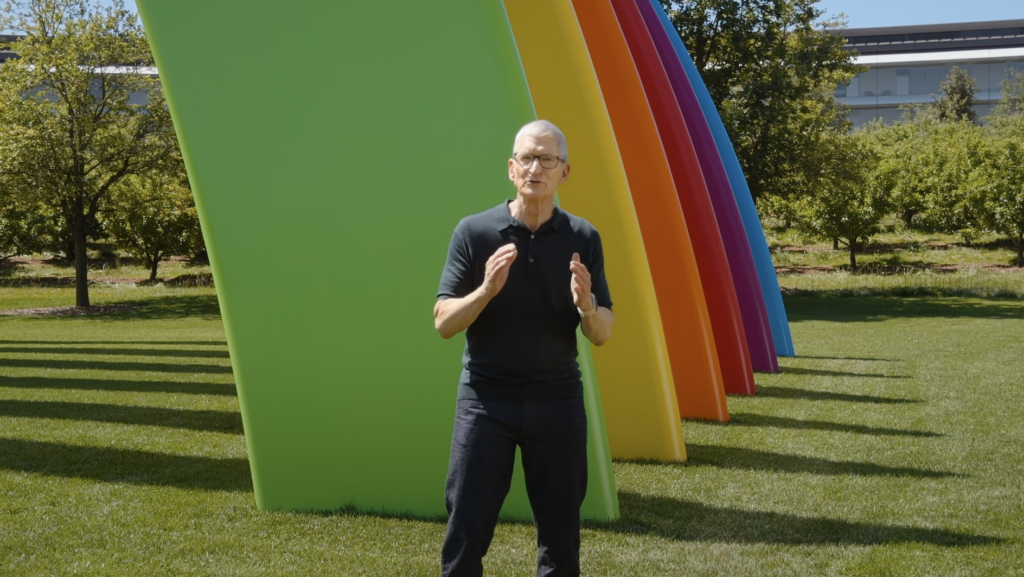
But last night’s WWDC 2026 keynote, which also marked Tim Cook’s final presentation before handing the reins to John Ternus, felt like a massive reality check. For me, this wasn’t just a product launch, but an admission by Apple that it couldn’t win the AI war alone, that Apple need serious help from its biggest rival to save its lagging AI reputation.
The Google Gemini Lifeline: Finally, an AI That Works?
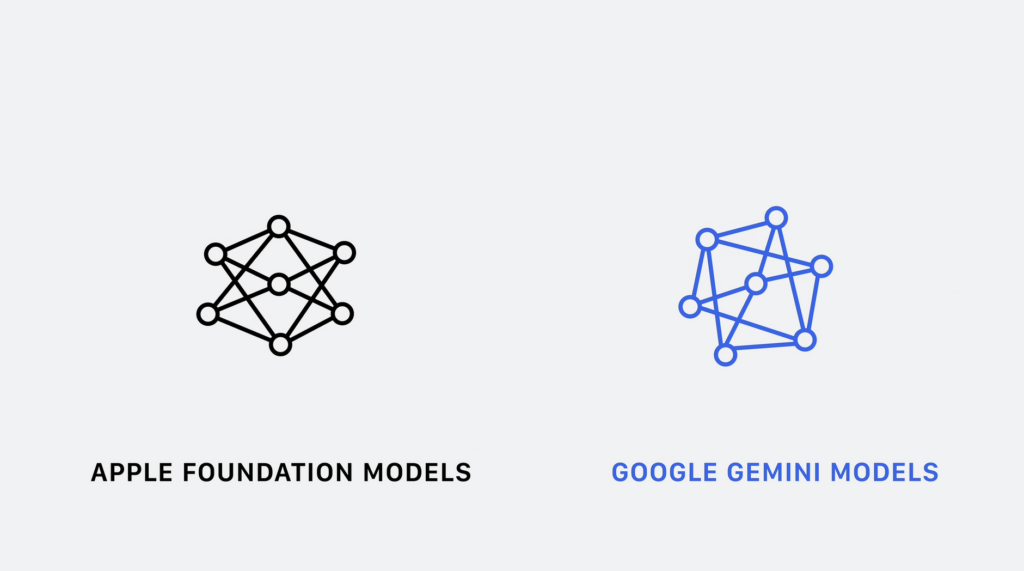
In a shocking twist last night, Apple officially swallowed its pride. Software chief Craig Federighi announced a deep, multi-year partnership with Google, revealing that the new Apple Foundation Models are actually co-developed using Google Gemini technology. By injecting Gemini’s powerhouse reasoning and world knowledge into Apple’s architecture, there is finally genuine hope that Apple’s AI will actually work like a flagship feature instead of a tech-demo gimmick.
For me, it’s a massive win for us users who just want our phones to be smart, even if it means Apple had to let Google under the hood. I’m fine with the move, and I bet you all will be fine as well.
Siri Finally Gets Her Brains (And a Dedicated App)
Thanks to that Gemini infusion, Siri is getting the ultimate makeover. She is no longer just a glowing orb popping up at the bottom of your screen. In iOS 27, Siri becomes a standalone chatbot app, complete with a saved conversation history that syncs across your devices via iCloud. Sounds familiar? Introducing the Siri AI.
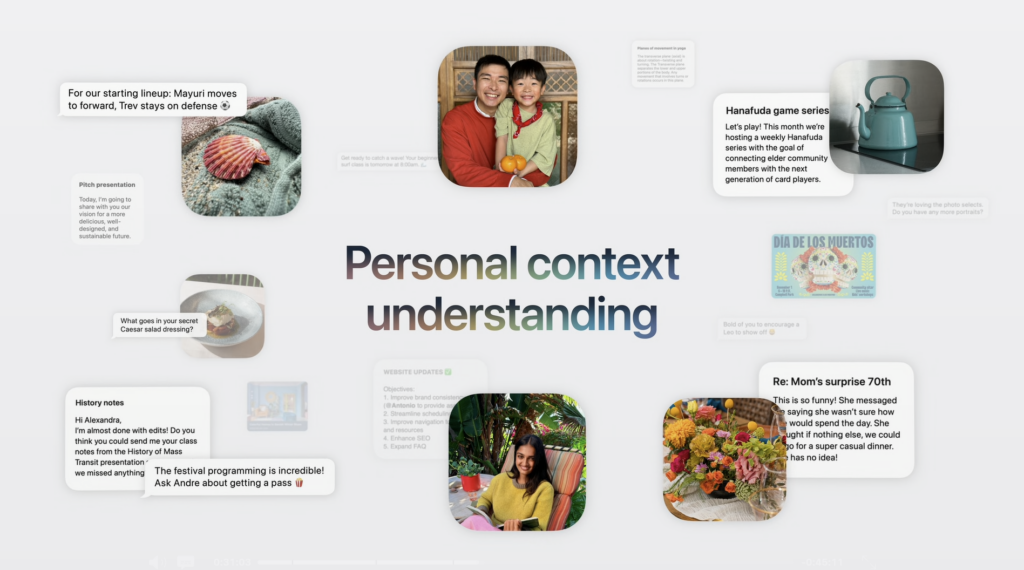
Siri AI now boasts true on-screen awareness and personal context understanding. It can look at a digital receipt on your screen to instantly split a bill, or dig through months of emails to answer complex questions like, “Will this laptop fit into the backpack I bought last week?” It can even use Safari to agentically log into websites and upgrade weak passwords for you.
What to Expect in iOS 27 and the iPhone 18
If you are eyeing the upcoming iPhone lineup this fall, iOS 27 will be the engine driving it. Aside from the heavy AI integration, Apple is finally fixing last year’s mistakes. iOS 27 introduces a new transparency adjustment slider, letting you dial back the glass-like look to fix readability issues and stop unnecessary battery drain.
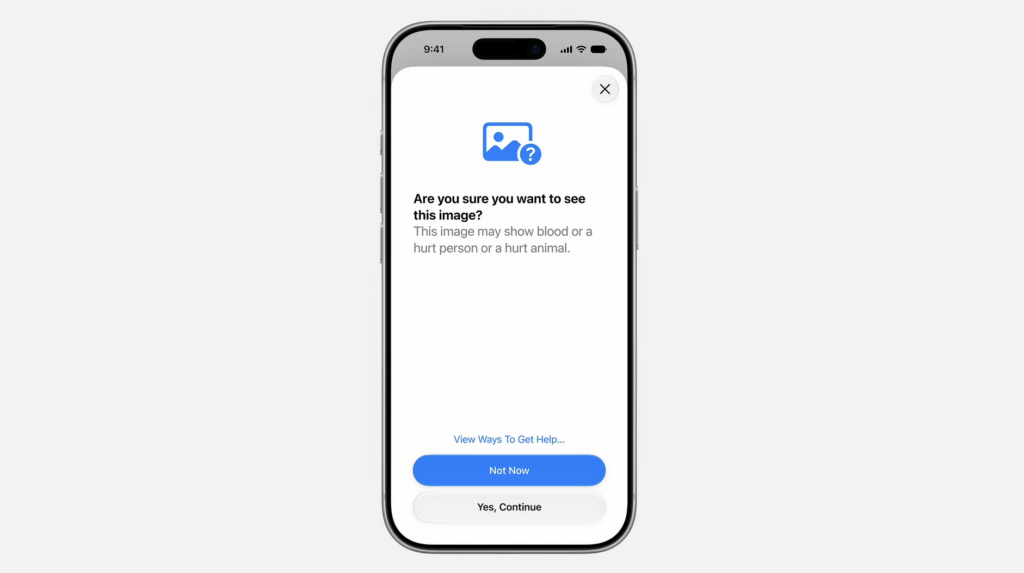
Apple also took a surprisingly long time to focus on parental controls. They are rolling out a heavily redesigned Screen Time system that uses AI to recommend daily time allowances based on child development data. It also introduces aggressive communication safety tools that actively block explicit content and violent media from reaching your kids’ devices.
Playing Android Catch-Up
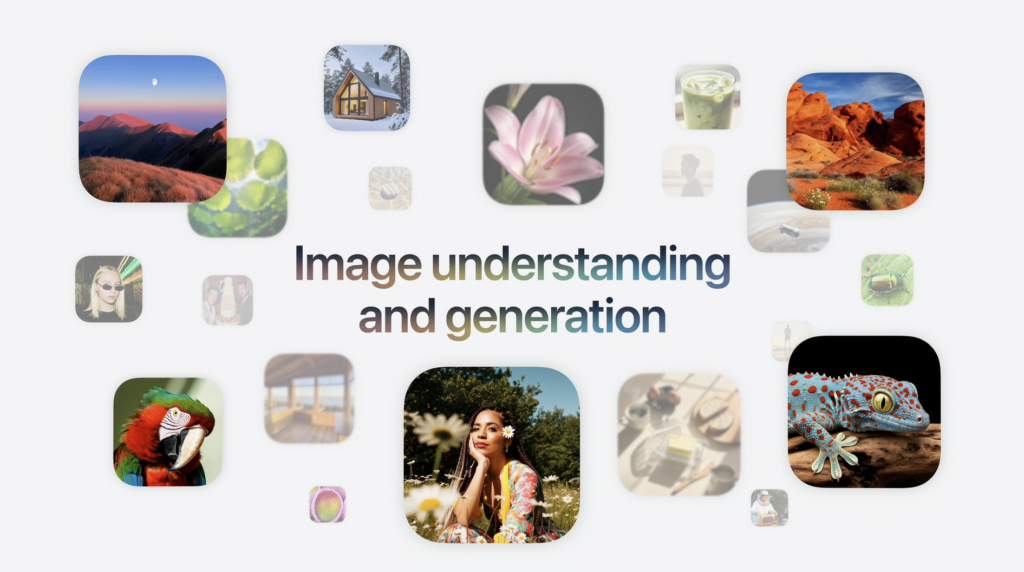
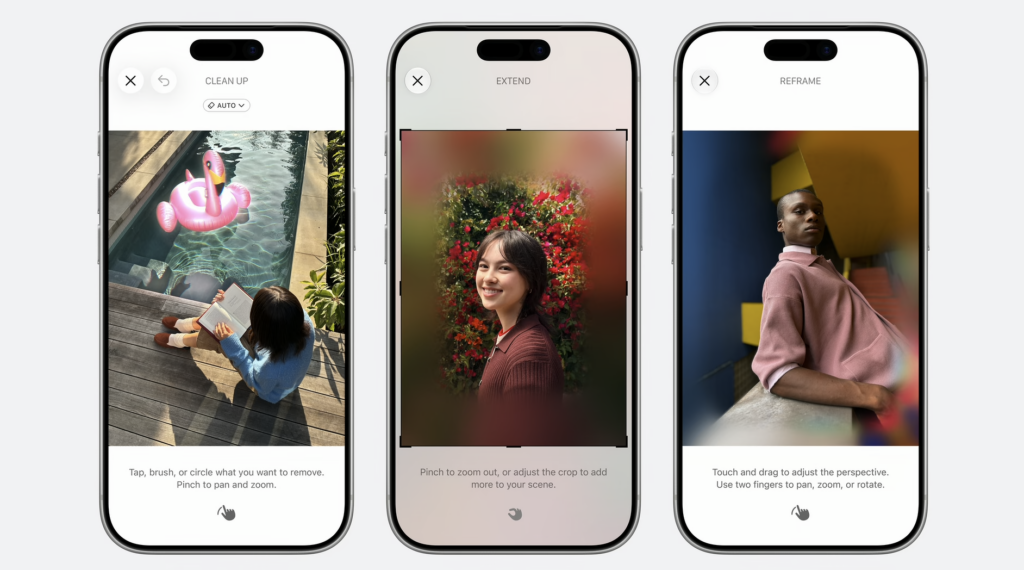
Despite all the hype, a lot of what Apple showed off will give Android users severe déjà vu. Apple’s new AI photo tools that let you expand image boundaries or shift visual angles are direct responses to features the green team perfected two generations ago. Apple is doing what it always does: waiting, copying, and then wrapping the feature in its signature, premium ecosystem polish.
The Catch: Who Gets Left Behind?
As great as this sounds, Apple still missed the mark on a few major fronts. First, availability is a mess. The new Siri AI is launching strictly in beta, only supports English at launch, and due to regulatory hurdles, won’t even be available in the EU or China initially.
Worse, Apple is still gating these features behind steep hardware requirements. While basic iOS 27 performance tweaks (like an 80% faster AirDrop) will support older iPhones, the actual Gemini-powered Apple Intelligence requires serious computing power and at least an M1 chip or iPhone 15 Pro/16 series to run. If you don’t have the newer silicon, you are entirely left out of the AI revolution.
For a company that constantly preaches accessibility, leaving millions of its recent device owners stranded in the pre-AI era feels like a massive, frustrating oversight.
Share this content:









Post Comment